



Views: 0 Author: Site Editor Publish Time: 2026-10-09 Origin: Site


Ever wondered how pipes get shaped so precisely for construction and manufacturing? Pipe bending machines make this possible. They save time and improve accuracy.
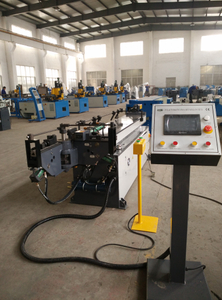
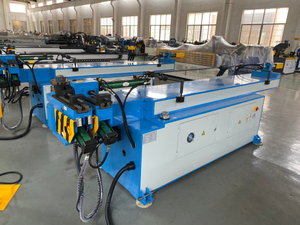
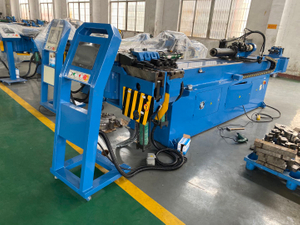
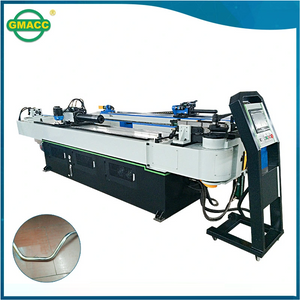
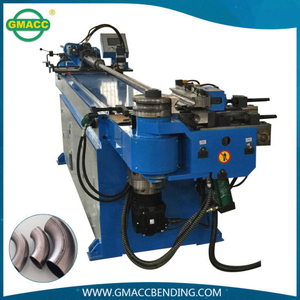
A hydraulic pipe bending machine uses powerful fluid pressure for smooth, precise bends. It’s essential for heavy-duty, industrial pipe work.
In this post, you’ll learn what hydraulic pipe bending machines are, why they matter, and how to use them effectively.
Understanding the different types of pipe bending machines helps you pick the right one for your project. Each machine has its strengths, suited for specific tasks and materials. Here’s a breakdown of the main types you’ll encounter.
Hydraulic benders use hydraulic pressure to bend pipes smoothly and powerfully. They excel at handling thick or tough materials like steel and stainless steel. These machines offer great control and precision, making them ideal for heavy-duty jobs. They also reduce operator fatigue since the hydraulic system does most of the work. You can expect consistent bends with less manual effort.
Rotary draw benders work by clamping the pipe and drawing it around a fixed radius die. They’re popular for producing tight, accurate bends, especially in smaller diameter tubing. These machines are common in automotive and furniture manufacturing. The method reduces deformation and is great for materials that need clean, wrinkle-free bends.
CNC (Computer Numerical Control) benders are high-tech machines controlled by computer programs. They allow for complex, repeatable bends with minimal human error. CNC machines can handle multi-axis bending, making them perfect for intricate designs or large production runs. They reduce setup time and increase productivity but come at a higher initial cost.
Mandrel benders use a flexible mandrel inserted inside the pipe to support it during bending. This prevents the pipe from collapsing or wrinkling, especially on tight-radius bends. They are ideal for thin-walled or delicate materials like aluminum or copper tubing. Mandrel bending ensures the pipe maintains its shape and diameter throughout the bend.
Choose a pipe bending machine based on the pipe, bend design, production target, and available budget.
Selection Factor | What to Consider | Suitable Machine |
|---|---|---|
Pipe material | Strength, formability, and springback | Hydraulic, electric, or CNC machine |
Pipe size and wall thickness | Diameter, wall thickness, and required bending force | Hydraulic machine for larger or thicker pipes |
Bend complexity | Number of bends, rotation, and shape | CNC machine for complex multi-bend parts |
Bend radius | Tight bends may need internal tube support | Mandrel bending machine |
Production volume | Required output and cycle time | CNC or automated machine for high-volume work |
Accuracy | Required angle, radius, and repeatability | CNC machine for tight tolerances |
Budget | Purchase, tooling, labor, and maintenance costs | Manual or hydraulic machine for simpler, lower-volume work |
The right machine should match the pipe specifications and production requirements. This improves bend quality, reduces waste, and controls operating costs.
Tip: When choosing a pipe bending machine, consider not only the material and bend complexity but also future production needs to avoid costly upgrades later.
Hydraulic pipe bending machines are prized for their power, precision, and versatility. Understanding their key features helps you leverage these machines for efficient, high-quality bending tasks.
Hydraulic benders use fluid pressure to apply strong, steady force. This power enables bending of thick, tough materials like steel or stainless steel without strain. The hydraulic system controls the force smoothly, giving you clean bends every time. This precision is critical when working on parts that must fit exact specifications or safety standards. Unlike manual benders, hydraulic machines reduce operator fatigue and improve consistency.
Many hydraulic pipe benders come with programmable controls. These allow you to set specific bend angles, radii, and sequences. Once programmed, the machine repeats these settings accurately for each piece. This repeatability is vital in production environments where uniformity matters. It saves time by eliminating manual adjustments and reduces errors caused by operator variability.
Hydraulic pipe bending machines handle a wide range of materials and sizes. They can bend steel, stainless steel, copper, aluminum, and other metals. The machines accommodate various pipe diameters and wall thicknesses, making them suitable for diverse applications. This versatility means you can use a single machine for multiple projects, increasing your shop’s flexibility and return on investment.
Because hydraulic benders deliver precise, consistent bends, they minimize scrap and rework. Accurate bends mean pipes fit correctly the first time, reducing the need for costly adjustments. The smooth bending action also prevents damage like wrinkles or flattening, preserving material integrity. This efficiency translates into faster production cycles and lower material costs.
Hydraulic pipe bending machines are built for heavy-duty use. Their robust construction ensures long service life even under demanding conditions. However, regular maintenance is essential to keep them running smoothly. This includes checking hydraulic fluid levels, inspecting seals and hoses, and lubricating moving parts. Well-maintained machines experience less downtime and maintain bending accuracy over time.
Tip: Regularly calibrate your hydraulic bender’s controls and inspect hydraulic components to maintain precision and extend machine life.
Choosing the right pipe material and size is the first step in bending success. Different metals react differently to bending forces. For example, steel and stainless steel are strong but less flexible, requiring more power and careful handling. Aluminum and copper are softer and bend easier but may need support to avoid deformation. Also, pipe diameter and wall thickness affect how the material bends. Larger diameters or thicker walls need more force and the right die size. Always match your pipe size to the bending machine’s capacity and the dies you plan to use.
Before bending, inspect the tubing carefully. Look for dents, cracks, rust, or other damage. Defects can cause weak spots that may collapse or deform during bending. Even small imperfections can affect the final shape and strength of the bend. Using damaged tubing risks wasting material and time. If you find any defects, replace the pipe or repair it if possible before proceeding.
Accurate calculations are vital for precise bends. You need to determine:
Bend Angle: The degree to which the pipe will be bent (e.g., 45°, 90°).
Bend Radius: The curve’s radius, often determined by the die size (e.g., 4.5 inches).
Bend Length: How much pipe length the bend will consume.
Knowing these helps you mark where to clamp the pipe and where the bend will start. For example, if your bend angle is 90° on a 4.5-inch radius die, the length of pipe in the bend can be calculated by multiplying the angle by a factor (e.g., 0.078 inches per degree). This ensures you cut the pipe to the right length and place bends accurately.
Springback is the tendency of the pipe to partially straighten after bending. Different materials and thicknesses spring back differently. To compensate, you usually bend a bit beyond the target angle. For instance, if you want a 90° bend but the material springs back 3°, bend to 93°. You can measure springback by bending a test piece, releasing pressure, and checking the angle. Adjust your bending process accordingly to hit the exact angle every time.
Lubrication reduces friction between the pipe and the bending dies. It prevents scratches, wrinkles, and material damage. Use the right lubricant recommended for your pipe material and bending machine. For complex or tight-radius bends, using a mandrel inside the pipe supports it during bending. This stops the pipe from collapsing or wrinkling on the inside curve. Always ensure the mandrel fits properly and is well-lubricated.
Properly securing the pipe in the machine is essential. The pipe must be clamped firmly to prevent slipping or shifting during bending. Misalignment causes inaccurate bends and can damage the pipe or machine. Use the clamp block and pressure dies to hold the pipe in place. Double-check your alignment marks before starting the bend. Accurate clamping combined with correct positioning ensures consistent, repeatable bends.
Tip: Always mark your pipe clearly and measure twice before clamping; precise setup prevents costly mistakes during bending.

Using a hydraulic pipe bending machine might seem complex at first, but following clear steps helps you achieve precise bends every time. Here’s a detailed guide to walk you through the process.
Start by choosing the correct bending die for your pipe’s diameter and desired bend radius. The die size directly affects the bend’s curvature. Once selected, load the pipe into the machine. Align the pipe end so it’s ready for the bend, using any pre-marked lines or measurements to ensure the bend starts exactly where you want it.
Next, position the pipe against the bending die carefully. Use the clamp block or pressure die to hold the pipe firmly. Proper clamping prevents slipping or shifting, which can ruin the bend’s accuracy. Double-check alignment marks before tightening the clamp. The pipe must be secure but not deformed by excessive clamping force.
With the pipe clamped, engage the hydraulic system. It will push the pipe smoothly around the die, creating the bend. Apply pressure gradually to avoid sudden movements or damage. Monitor the machine’s pressure gauge and the bending angle indicator as the pipe bends.
For pipes that need tight-radius or complex bends, insert a mandrel inside the pipe before bending. The mandrel supports the pipe internally, preventing collapse, wrinkles, or flattening. Make sure the mandrel fits snugly and is lubricated to slide easily during bending. Use it especially when bending thin-walled or softer materials.
Keep a close eye on the bend angle indicator throughout the process. Stop the bend once you reach the target angle, or slightly beyond if you need to compensate for springback. Also, watch the hydraulic pressure to ensure it stays within safe limits for your machine and material.
Once the bend is complete, release the hydraulic pressure and unclamp the pipe carefully. Remove the pipe and inspect the bend visually and with measuring tools. Look for wrinkles, flattening, or deviations from the desired angle and radius.
If the bend isn’t perfect, note the deviations. You might need to adjust the machine’s settings, clamp position, or bending angle slightly. For multiple bends of the same specification, use your observations to fine-tune the process. Consistency comes from careful adjustments and repeat practice.
Tip: Mark your pipe clearly before loading and always double-check clamp alignment to ensure each bend starts exactly where planned.
Regular maintenance keeps a hydraulic pipe bending machine accurate, safe, and reliable. A planned maintenance schedule can prevent unexpected breakdowns, reduce repair costs, and extend the machine’s service life.
Check the hydraulic fluid level and condition regularly. Replace contaminated or old fluid according to the maintenance schedule. Inspect seals, hoses, and fittings for leaks, cracks, or wear. Lubricate bearings, joints, and other moving parts to reduce friction.
Keep the machine clean by removing dust, oil, and metal shavings. Electrical connections, control panels, safety guards, and emergency stops should also be inspected regularly. These simple checks help maintain stable pressure and accurate bending performance.
Inconsistent bend angles may result from incorrect pressure settings, poor calibration, or worn bending dies. Hydraulic leaks usually indicate damaged seals, hoses, or loose fittings. Replace faulty parts quickly to prevent further damage.
Low fluid levels, contaminated oil, or trapped air can cause slow or jerky movement. If the machine does not start, check the power supply, fuses, switches, and wiring. Pipe slippage often occurs when clamps or pressure dies are loose, incorrectly adjusted, or worn.
Keeping essential spare parts available can reduce production downtime. Useful items include hydraulic seals, hoses, filters, sensors, switches, bending dies, and clamps. All replacement parts should match the machine’s specifications.
Control-system upgrades and programmable functions may improve bending accuracy and production efficiency. Compatibility should always be confirmed before installing new components.
Operators should understand machine setup, safe operation, basic maintenance, and common troubleshooting procedures. Proper training reduces operating errors, improves bend quality, and protects both workers and equipment.
Record inspections, repairs, fluid changes, and replaced parts in a maintenance log. Routine checks and early repairs prevent small issues from becoming serious failures, helping the pipe bending machine deliver reliable performance over time.
Hydraulic pipe bending machines offer powerful, precise bending for various materials. Success depends on careful preparation and understanding springback. Choosing the right machine and tools ensures accurate, efficient bends. Partnering with experts enhances training and maintenance for long-term reliability. Future trends include software integration for improved precision and productivity. Zhangjiagang King Macc provides advanced hydraulic pipe bending machines known for durability and ease of use, supporting your projects with quality and expert service.
A: A pipe bending machine shapes pipes by applying force. Hydraulic pipe bending machines use hydraulic pressure to bend thick or tough materials smoothly and precisely, reducing operator fatigue.
A: Hydraulic machines offer powerful, precise bends for heavy-duty materials like steel, with consistent results and less manual effort compared to rotary or mandrel benders.
A: Select the right pipe material and size, inspect for defects, calculate bend angle and radius, apply lubrication, and secure the pipe firmly in the pipe bending machine.
A: Regularly check hydraulic fluid, inspect seals and hoses, lubricate moving parts, clean surfaces, and test safety features to ensure reliable operation.