


Views: 0 Author: Site Editor Publish Time: 2026-10-09 Origin: Site


Ever wondered how curved pipes are made so precisely? Pipe bending machines make this possible. They shape pipes for many industries.
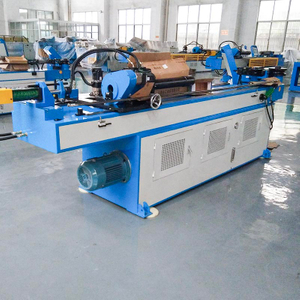
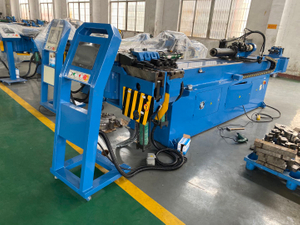
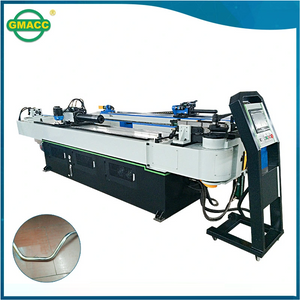
A pipe bending machine bends metal pipes accurately and efficiently. It is essential in modern manufacturing and construction.
In this post, you’ll learn what pipe bending machines do, why aluminum pipes are ideal, and why choose an aluminum pipe bending machine.
Pipe bending machines vary in power, accuracy, automation, and production capacity. Choosing the right type depends on the pipe material, size, bend complexity, and required output.
Machine Type | How It Works | Main Advantages | Best Applications |
|---|---|---|---|
CNC pipe bending machine | Uses programmed controls to manage feeding, rotation, and bending | High accuracy, repeatable results, fast production, and complex multi-bend shapes | Automotive, aerospace, furniture, and volume production |
Electric pipe bending machine | Uses electric motors to power and control movement | Energy-efficient, precise, quiet, and easier to maintain | Small and medium pipes requiring controlled bending |
Hydraulic pipe bending machine | Uses hydraulic pressure to apply bending force | High force, durable construction, and suitability for thick-walled pipes | Construction, structural fabrication, and heavy machinery |
Manual pipe bending machine | Uses hand force or mechanical leverage | Affordable, portable, and simple to operate | Repairs, low-volume work, and basic bends |
Automated pipe bending machine | Automates several bending movements and production steps | Faster output, consistent bends, and lower labor needs | Medium- and high-volume production |
Manual machines suit simple, low-volume work. Automated and CNC machines are better for complex parts and repeated production. Always consider pipe size, material, bend radius, accuracy, and production volume before selecting a machine.

Aluminum is a lightweight metal known for its excellent malleability and corrosion resistance. These properties make it ideal for bending processes. Its softness compared to steel means it bends smoothly without cracking or breaking when the force is applied evenly. Aluminum's natural resistance to rust ensures that bent pipes maintain their quality over time, even in harsh environments. Additionally, aluminum’s high strength-to-weight ratio allows for durable yet lightweight bent structures, useful in many industries.
Among aluminum alloys, 6061 and 6063 are especially popular for pipe bending. Alloy 6061 offers great mechanical strength and excellent corrosion resistance, making it suitable for structural applications. Alloy 6063 is known for its superior extrudability and smooth surface finish, which is perfect for architectural and aesthetic uses. Both alloys respond well to bending without losing integrity, reducing the risk of cracks or deformation. Their thermal properties also allow for easier heat treatment if needed after bending, enhancing strength and durability.
Using an aluminum pipe bending machine helps maintain the pipe’s original surface quality. The machine applies consistent, controlled pressure, preventing dents, wrinkles, or surface scratches. This is crucial for visible or high-performance parts where aesthetics and material performance matter. The bending process preserves the pipe’s internal structure, avoiding micro-cracks or weakening that could occur with manual or improper bending methods. This ensures the final product performs reliably under stress and lasts longer.
Aluminum pipe bending machines serve many industries due to aluminum’s versatility:
Automotive: Lightweight bent aluminum pipes reduce vehicle weight, improving fuel efficiency. They are used in exhaust systems, chassis frameworks, and fluid conduits.
Aerospace: Aluminum’s strength and lightness make it ideal for aircraft hydraulic lines and structural components requiring precise bends.
Construction: Bent aluminum pipes are common in window frames, curtain walls, and architectural details that require both strength and aesthetic appeal.
Medical: Aluminum tubing is used in medical equipment frames and supports where corrosion resistance and clean finishes are essential.
Each industry benefits from the precision and quality that aluminum pipe bending machines provide.
Aluminum pipe bending machines excel in medium-run production, typically between 100 and 1,000 units. They allow quick setup changes for different designs, making customization efficient and cost-effective. This flexibility supports manufacturers who need to produce varying pipe shapes without the expense of full-scale tooling changes. The machines also reduce lead times, enabling faster delivery of custom parts. For OEMs and fabricators, this means meeting client specifications with high accuracy and maintaining competitive production schedules.
Tip: Choose aluminum pipe bending machines with adjustable dies and digital controls to optimize bending precision and protect material quality during medium-run custom productions.
Pipe bending machines play a vital role across many industries. They transform straight pipes into curved, functional parts essential for various applications. Here’s how different sectors use these machines:
In the automotive world, pipe bending machines help create parts like exhaust systems, fuel lines, and cooling circuits. Precise bends ensure parts fit perfectly and perform reliably. Lightweight bent pipes also contribute to better fuel efficiency by reducing vehicle weight. For example, exhaust pipes require smooth curves to maintain airflow and reduce backpressure, which improves engine performance.
Mechanical engineering relies on pipe bending machines to build hydraulic systems, metal frameworks, and industrial machinery components. Bending machines provide accuracy and repeatability, essential for parts that must meet strict tolerances. For instance, hydraulic lines need precise bends to avoid leaks and maintain pressure. These machines also speed up production, helping factories meet large orders efficiently.
Furniture makers use pipe bending machines to craft chairs, tables, and decorative metal structures. Curved pipes add aesthetic appeal and structural strength to designs. For example, tubular steel or aluminum frames for chairs often require smooth bends to ensure comfort and durability. Designers appreciate the flexibility to create complex shapes that blend functionality with style.
In agriculture, bent pipes form parts of support structures, irrigation systems, and equipment frames. Strong, accurately bent pipes withstand harsh outdoor conditions and heavy loads. Metal construction uses pipe bending for guardrails, tubular supports, and architectural elements. These bent components provide both safety and design appeal. For example, bent guardrails protect workers while complementing building aesthetics.
Heating, ventilation, air conditioning (HVAC), and fluid transport systems rely heavily on bent pipes. Precise bends allow pipes to fit into tight spaces and connect seamlessly with other components. This ensures efficient fluid flow and system reliability. For example, bent copper or aluminum pipes in HVAC systems help route refrigerant smoothly, improving energy efficiency and system longevity.
Tip: When selecting pipe bending machines for your industry, consider the pipe material, diameter, and bend complexity to ensure optimal performance and product quality.
Operating and maintaining a pipe bending machine correctly ensures precise bends, extends machine life, and keeps production running smoothly. Here’s a step-by-step guide to help you handle the process effectively.
Before starting, inspect the pipe for any damage such as dents, cracks, or dirt. Clean the surface to remove dust or grease that might affect the bending quality. Make sure the pipe’s dimensions and material type match the machine’s specifications. For aluminum pipes, check for any coatings or treatments that may require special handling.
Set up the machine according to the pipe size and bend requirements. Adjust the bending rollers, dies, and clamps to fit the pipe diameter. On CNC or digital control machines, input the desired bend angles, radii, and sequence into the control panel. Double-check the program for accuracy to avoid errors during bending. For manual machines, set mechanical stops or guides as needed.
Place the pipe carefully into the machine’s bending zone. Ensure it is aligned straight on the support arms or guides. Secure the pipe firmly using the clamping system to prevent slipping or movement during bending. Proper positioning is critical to avoid uneven bends or surface damage.
Start the bending cycle according to the machine’s instructions. On automated or CNC machines, the program controls the bending process. Monitor the operation closely, watching for any unusual noises, vibrations, or resistance. Pause or stop the machine if the pipe shows signs of kinking, cracking, or slipping. For manual machines, apply steady force and check the bend progress frequently.
After bending, remove the pipe and inspect the bend angle, radius, and surface quality. Use measuring tools like protractors or radius gauges to verify accuracy. Look for defects such as wrinkles, cracks, or flattening. If the bend is off, adjust machine settings or tooling before continuing production. Consistent quality checks help maintain high standards and reduce waste.
Regular maintenance keeps the machine running reliably. Clean the rollers, dies, and clamps daily to remove debris. Lubricate moving parts as recommended by the manufacturer. Inspect for wear or damage and replace worn components promptly. Always follow safety protocols: wear protective gear, keep hands clear of moving parts, and use emergency stops if necessary. Train operators on safe practices and machine handling.
Tip: Schedule daily inspections and lubrication to prevent breakdowns and maintain bending precision over time.
Investing in a pipe bending machine is essential for industries needing precision and efficiency. These machines enhance productivity by delivering consistent, high-quality bends with reduced waste. Advanced technology like CNC and automation prepares businesses for future growth and complex designs. Choosing the best pipe bending solution ensures cost savings and design flexibility. Zhangjiagang King Macc offers reliable aluminum pipe bending machines that provide durability, precision, and excellent value for diverse industrial needs.
A: A pipe bending machine shapes pipes by applying controlled force through rollers and dies, enabling precise bends with minimal material damage.
A: Aluminum pipe bending machines leverage aluminum's malleability and corrosion resistance, ensuring smooth bends, preserving surface finish, and supporting lightweight, durable structures.
A: CNC pipe bending machines use digital programming for high precision, repeatability, and complex shapes, boosting efficiency and reducing errors.
A: Regularly inspect rollers and dies for wear, ensure proper pipe clamping, and calibrate the machine to maintain bending accuracy and prevent defects.
A: Aluminum pipe bending machines, especially CNC types, have higher upfront costs but offer long-term savings through efficiency, reduced waste, and consistent quality.