


Views: 0 Author: Site Editor Publish Time: 2026-10-09 Origin: Site


Ever wondered how pipes get perfectly bent without damage? Pipe bending machines make this possible. Hydraulic pipe bending machines use fluid power for precise bends. In this post, you’ll learn what hydraulic pipe bending machines are, how they work, and why they matter in many industries.
A hydraulic pipe bending machine relies on several key components working together smoothly. The hand pump is where the process begins. It creates hydraulic pressure by pushing oil through the system. This pressure powers the machine to bend pipes efficiently.
The cylinder is next in line. It receives the pressure from the hand pump and multiplies it. This force pushes the plunger bracket forward. The plunger bracket holds the bending die, which is the part that actually presses against the pipe to bend it.
Supporting these parts are the frame plates. They form the machine’s sturdy body and hold everything in place, ensuring stability during bending. Without strong frame plates, the machine could wobble, causing inaccurate bends.
The pivot assembly includes rollers or pins that allow the pipe to rotate smoothly during bending. This rotation is crucial because it helps the pipe bend evenly without kinks or damage.
The dies are specially shaped tools attached to the plunger bracket. They determine the bend’s radius and angle. Different dies fit different pipe sizes and shapes, allowing the machine to handle a variety of bending tasks. Dies ensure the pipe bends precisely to the required specifications.
Each component plays a vital role in the machine’s overall accuracy and speed:
The hand pump controls the pressure applied, so the operator can make precise adjustments.
The cylinder converts this pressure into powerful, controlled motion.
The plunger bracket guides the bending die smoothly against the pipe.
The frame plates keep the machine rigid, which prevents errors caused by movement.
The pivot assembly allows the pipe to move naturally during bending, reducing stress on the material.
The dies shape the pipe accurately, ensuring consistent bends every time.
Together, these parts allow the machine to bend pipes quickly and precisely, saving time and reducing waste.
Tip: Regularly inspect and lubricate the pivot assembly and dies to maintain smooth pipe movement and achieve consistent bend quality.

Hydraulic pipe bending machines operate based on hydraulic principles, primarily Pascal’s law. This law states that when pressure is applied to a fluid in a confined space, it transmits equally in all directions. The machine uses this principle to generate powerful, controlled force from a small input.
When you operate the hand pump, it pushes hydraulic fluid into the cylinder. The fluid pressure increases inside the cylinder, which then pushes the plunger bracket forward. This force presses the bending die against the pipe, causing it to bend smoothly and precisely. The hydraulic system multiplies the force you apply, allowing the machine to bend thick or tough pipes without excessive manual effort.
Select the Appropriate Die: Choose a die that matches the pipe’s diameter and the desired bend radius. Installing the correct die ensures an accurate bend without damaging the pipe.
Position the Pipe: Place the pipe securely within the pivot assembly, resting against the die. The pivot assembly’s rollers allow the pipe to rotate evenly during bending.
Engage the Hand Pump: Begin pumping to build hydraulic pressure. The fluid moves into the cylinder, pushing the plunger bracket forward.
Bend the Pipe: As the plunger bracket advances, the die presses against the pipe, bending it gradually. Monitor the angle carefully to reach the required bend.
Release Pressure: Once the bend is complete, slowly release the hydraulic pressure to retract the plunger bracket. This prevents sudden movements that could damage the pipe or machine.
Remove the Pipe: Take the bent pipe out of the machine and inspect it for quality and accuracy.
This process allows operators to bend pipes repeatedly with consistent results, reducing waste and improving project efficiency.
Different pipe materials require specific adjustments to ensure safe and effective bending:
Mild Steel: Use moderate pressure and slower bending speed to avoid cracks. Adjust the die radius to match the pipe thickness.
Copper: Requires less force due to its malleability. Use dies with tighter radii for sharper bends.
Stainless Steel: Needs higher pressure and more gradual bending to prevent work hardening. Lubricate the pipe surface to reduce friction.
Aluminum: Bend at lower speeds and pressures because it’s softer and more prone to deformation.
Adjusting the hand pump pressure, die size, and bending speed based on material type helps maintain pipe integrity and achieve precise bends.
Tip: Always start with lower pressure settings and gradually increase them during bending to avoid over-stressing the pipe or machine components.
Hydraulic pipe bending machines come mainly in two types: manual and powered. Manual machines rely on hand-operated pumps to generate hydraulic pressure. They require physical effort but offer excellent control and are more affordable. These machines suit small workshops, occasional jobs, or fieldwork where portability matters.
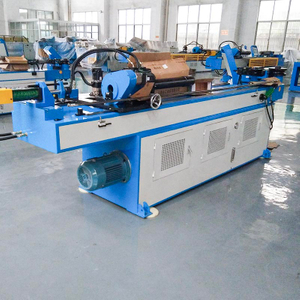
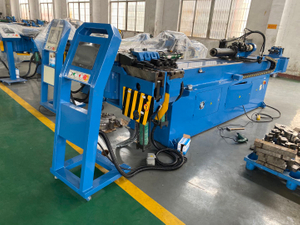
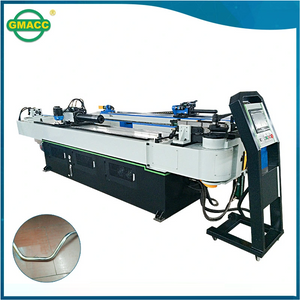
Powered hydraulic pipe bending machines use electric or motorized pumps to create hydraulic pressure automatically. They reduce operator fatigue and increase bending speed. These machines handle higher volumes and thicker pipes, making them ideal for industrial settings or large projects requiring consistent precision.
Manual hydraulic benders fit well in plumbing, maintenance, and small-scale fabrication. Their portability allows easy transport to job sites. They work best for bending mild steel, copper, or aluminum pipes in moderate diameters.
Powered machines excel in manufacturing plants, automotive workshops, or construction sites where many pipes need bending quickly. They can handle tougher materials like stainless steel and larger pipe diameters. Their automation ensures repeatable bends, crucial for mass production.
Choosing the right machine depends on your project needs. If you require a lightweight, easy-to-move bender for small jobs or repairs, a manual machine is preferable. It’s cost-effective and simple to operate.
For high-volume production or heavy-duty pipes, powered hydraulic benders offer better efficiency and precision. Although they cost more initially, they save time and labor in the long run.
Consider pipe size, material, work environment, and budget. Some manufacturers offer hybrid models combining portability with powered assistance, providing flexibility.
Tip: Match your hydraulic pipe bending machine to your workload and pipe types to maximize productivity and minimize operator strain.
Hydraulic pipe bending machines can process several metals. Each material requires suitable tooling, pressure, and bend settings.
Material | Main Properties | Bending Considerations | Common Applications |
|---|---|---|---|
Copper | Soft, ductile, and corrosion-resistant | Usually requires less force, but proper support prevents flattening | Plumbing, HVAC, and refrigeration |
Stainless steel | Strong and corrosion-resistant | Requires greater force and springback compensation | Food processing, chemical systems, and automotive parts |
Aluminum | Lightweight, formable, and corrosion-resistant | Correct dies and support help prevent dents, wrinkles, or cracking | Automotive, aerospace, and furniture |
Mild steel | Strong, ductile, and cost-effective | Generally easy to bend with suitable tooling and force | Construction, machinery, plumbing, and general fabrication |
Actual bending settings depend on the pipe diameter, wall thickness, alloy, temper, and required bend radius.
Mild steel pipes require special attention during bending. This metal can crack or wrinkle if bent too quickly or with too much force. Here’s how to bend mild steel pipes safely:
Use dies with the correct radius to support the pipe during bending.
Apply pressure gradually, increasing it step-by-step rather than all at once.
Keep the bending speed slow to avoid overstressing the metal.
Lubricate the pipe surface or the die to reduce friction and prevent damage.
Inspect pipes before and after bending for any signs of cracks or deformation.
Following these steps helps maintain pipe integrity and ensures smooth, consistent bends.
The type of metal affects machine settings and maintenance. Different materials require varying hydraulic pressures, bending speeds, and die selections. Operators should:
Adjust the hand pump pressure according to metal hardness.
Select dies designed for each metal's thickness and flexibility.
Monitor machine temperature, as harder metals can cause more heat buildup.
Regularly lubricate moving parts to reduce wear from bending tougher metals.
Schedule maintenance checks more frequently when bending abrasive or hard metals like stainless steel.
Using the right settings and maintenance routines extends the machine’s life and improves bend quality.
Tip: Always test bend a small pipe section before full production to fine-tune settings for each metal type and avoid costly mistakes.
Hydraulic pipe bending machines offer exceptional precision. The hydraulic system applies smooth, controlled force, bending pipes exactly to the desired angle. Unlike manual methods, which may cause uneven bends or kinks, hydraulic machines deliver consistent results every time. This precision reduces material waste and ensures pipes fit perfectly in assemblies.
The ability to swap out dies for different pipe sizes and bend radii adds to this accuracy. Operators can reproduce complex bends reliably, essential for industries requiring tight tolerances, such as automotive or aerospace manufacturing.
Although hydraulic pipe bending machines require an upfront investment, they save money over time. They reduce labor costs by minimizing manual effort and speeding up the bending process. This efficiency means more pipes bent per hour, increasing productivity.
Material savings also add up, since precise bends lower scrap rates. Fewer pipe replacements and reworks cut project expenses. Additionally, hydraulic machines reduce operator fatigue, lowering injury risk and associated costs.
For businesses handling large volumes or complex bends, hydraulic machines provide excellent return on investment through improved workflow and quality.
Hydraulic pipe benders adapt well to many industries and project sizes. They handle a wide range of pipe materials—mild steel, copper, aluminum, stainless steel—making them suitable for plumbing, construction, automotive, and manufacturing.
From small workshop jobs to industrial-scale production, hydraulic machines scale easily. Portable manual models suit fieldwork, while powered machines meet high-volume demands. They bend pipes for exhaust systems, pipelines, HVAC installations, and structural frameworks.
This versatility means one machine can serve multiple applications, reducing the need for specialized tools and simplifying inventory.
Tip: Invest in hydraulic pipe bending machines that offer interchangeable dies and adjustable pressure settings to maximize precision and versatility across projects.
Hydraulic pipe bending machines serve many industries by bending pipes accurately and efficiently. Their power and precision make them essential tools for various projects and manufacturing processes.
In the automotive industry, these machines bend pipes for exhaust systems, roll cages, and chassis components. The bends must be precise to fit tight spaces and maintain vehicle performance. Hydraulic benders provide consistent angles, reducing waste and rework.
Construction relies on hydraulic pipe bending for plumbing, heating, and structural frameworks. Pipes for water, gas, and HVAC systems often require bends to navigate buildings. Hydraulic machines speed up production while ensuring strong, smooth bends that meet safety standards.
Plumbing projects benefit from hydraulic pipe benders by shaping pipes to fit complex layouts in homes and commercial buildings. Bending pipes on-site or in workshops reduces cutting and joining, lowering leak risks and installation time.
Manufacturing industries use hydraulic benders to produce components for machinery, furniture, and pipelines. They handle large volumes and diverse pipe materials, from mild steel to aluminum. This versatility helps manufacturers meet tight schedules and maintain quality.
Pipeline installation: Bending long runs of pipe to fit terrain contours or urban infrastructure.
HVAC systems: Forming ducts and pipes that fit within limited ceiling or wall spaces.
Automotive exhausts: Creating smooth bends that optimize airflow and reduce emissions.
Furniture frames: Shaping metal tubes for ergonomic designs and structural strength.
Shipbuilding: Bending pipes for fuel, water, and hydraulic systems in confined spaces.
These examples show how hydraulic pipe bending machines adapt to different needs, improving efficiency and product quality.
Tip: When planning projects, consider hydraulic pipe bending machines to reduce manual labor and increase bend accuracy, especially for complex or high-volume pipe work.
Selecting the right hydraulic pipe bending machine starts by understanding your project needs. The size of the pipes you plan to bend is crucial. Machines come with limits on the maximum pipe diameter and wall thickness they can handle. Choosing a machine too small may cause damage or poor bends, while an oversized machine could be unnecessarily costly and bulky.
Next, consider the capacity of the machine. This includes the maximum bending force it can apply and the range of bend angles it supports. For tougher materials like stainless steel or thick mild steel pipes, higher capacity machines are necessary. For softer metals like copper or aluminum, a machine with moderate capacity often suffices.
The pipe material itself affects the choice. Some machines offer adjustable pressure settings or specialized dies for different metals. If your work involves multiple materials, look for versatile machines that can switch between settings easily. This flexibility prevents frequent tool changes and reduces downtime.
Beyond size and capacity, other features influence the machine's suitability:
Portability: If you need to work on-site or in tight spaces, a lightweight, manual hydraulic bender might be best. These models are easy to move and operate without power sources.
Automation: For large-scale projects, powered machines with electric or motorized pumps speed up the bending process and reduce operator fatigue.
Die Compatibility: Machines that support a wide range of dies let you handle different pipe diameters and bend radii without buying new equipment.
Control Precision: Some machines offer fine pressure control or angle measurement tools, ideal for projects demanding tight tolerances.
Durability: Consider the frame construction and quality of hydraulic components, especially if you plan heavy or frequent use.
By matching these features to your workflow, you ensure smoother operations and better results.
Hydraulic pipe bending machines are becoming more automated, efficient, and connected. These developments improve accuracy, productivity, safety, and maintenance planning.
Trend | Key Development | Main Benefit |
|---|---|---|
Greater automation | Automated loading, positioning, bending, and unloading | Faster production with less manual work |
Programmable controls | Operators can set bend angles, pressure, and speed | Better accuracy and repeatability |
Robotics integration | Robots handle pipes and support production tasks | Higher output and improved operator safety |
Energy-efficient systems | Efficient motors and pumps reduce power use | Lower operating costs |
Cleaner hydraulic technology | Better sealing and lower-impact hydraulic fluids | Fewer leaks and reduced environmental impact |
Intelligent monitoring | Sensors track pressure, speed, angle, and machine condition | Consistent bending and early problem detection |
Factory connectivity | Machines exchange data with production management systems | Easier scheduling and performance tracking |
Predictive maintenance | Software identifies wear before failures occur | Less downtime and fewer repair costs |
Remote support | Technicians can diagnose problems and update software remotely | Faster service and improved machine uptime |
User-friendly interfaces | Touchscreens simplify setup and operation | Easier training and fewer operator errors |
When selecting new equipment, consider programmable controls, energy efficiency, condition monitoring, and digital connectivity. These features can support long-term productivity and future production needs.
Hydraulic pipe bending machines use controlled hydraulic pressure to bend pipes precisely and efficiently. Choosing the right machine depends on pipe size, material, and project needs to ensure optimal results. Advances in automation and intelligent controls continue to enhance machine performance and ease of use. Zhangjiagang King Macc offers reliable hydraulic pipe bending machines designed for accuracy, durability, and versatility, providing valuable solutions for various industrial applications. Their products support improved productivity and long-term operational success.
A: It uses hydraulic fluid pressure, generated by a hand pump or motor, to push a plunger bracket that bends the pipe against a die.
A: Hydraulic machines offer greater precision, consistency, and reduce operator fatigue, making them more cost-effective for repetitive or complex bends.
A: Price depends on size, capacity, manual vs. powered operation, and features like die compatibility and automation.
A: Regularly check hydraulic fluid, lubricate moving parts, inspect dies and hoses, and tighten bolts to ensure safety and longevity.
A: Check fluid levels, inspect for leaks, bleed trapped air, and ensure the hand pump or motor functions properly.