



Views: 0 Author: Site Editor Publish Time: 2026-01-13 Origin: Site


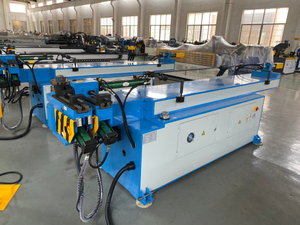
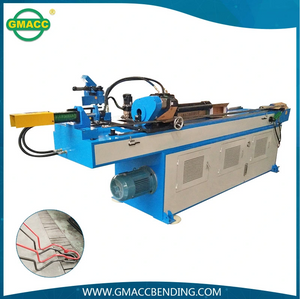
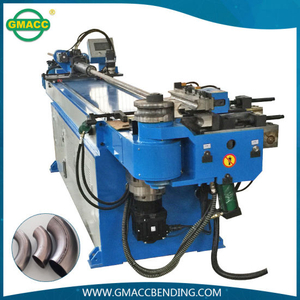
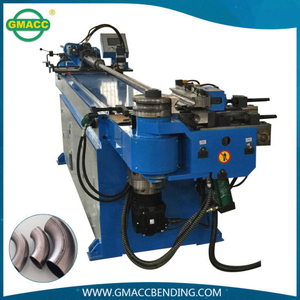
Pipe bending is essential in many industries, from construction to automotive. A pipe bend machine shapes pipes accurately for complex systems. In this article, we’ll explore the key components of a pipe bend machine. You’ll learn how these parts work together to ensure precise and efficient bends.
The bend die is the heart of any pipe bend machine. This component shapes the pipe by forming it around a pre-set radius. The choice of bend die is critical as it defines the final shape and angle of the pipe. There are different types of bend dies, including:
● V-dies: Commonly used for standard bending tasks.
● U-dies: Ideal for tighter radius bends, offering better support for smaller pipes.
● Custom profile dies: Designed for specialized bending needs, these dies can be tailored to specific projects.
Choosing the right bend die ensures that the bending process remains smooth and the pipe retains its integrity, without causing any cracks or deformities.
The clamp die plays a crucial role in securing the pipe in place during the bending process. This die holds the pipe against the bending die to prevent any movement that could result in inaccurate bends. Proper alignment and pressure are essential to maintaining bending accuracy. If the clamp die is misaligned or not securely fastened, the pipe can shift, leading to inconsistent results and potential damage.
Once the pipe is clamped in place, the pressure die applies consistent force to press the tube against the bend die. This ensures that the pipe remains in contact with the die throughout the bending process. The pressure die helps in creating smooth bends without any gaps or wrinkles on the pipe’s surface. It is especially crucial when working with thicker-walled pipes, as it ensures uniform bending without excessive deformation.
The wiper die is responsible for preventing wrinkles or collapses on the inside radius of the bend. During bending, the inner surface of the pipe is under stress, which can lead to deformation. The wiper die applies force to the inside of the bend, supporting the pipe and ensuring a smooth internal radius. It is particularly important when bending materials like steel, aluminum, and stainless steel, where internal deformations can compromise the pipe's integrity.
A mandrel is an internal support structure that is placed inside the pipe during bending. It prevents the pipe from collapsing under pressure, especially when bending tight radii. Mandrels are available in various types, including:
● Shank mandrels: Used for standard bending operations.
● Body mandrels: Provide additional support for thin-walled pipes.
● Ball mandrels: Used in situations where the pipe needs extra internal support without causing deformation.
Mandrels ensure that the pipe maintains its shape and strength throughout the bending process, making them essential for achieving high-quality results, particularly for complex bends.
Component | Function |
Bend Die | Shapes the pipe around the specified radius. |
Clamp Die | Secures the pipe in place during the bending. |
Pressure Die | Applies force to ensure the pipe contacts the bend die. |
Wiper Die | Prevents wrinkles or deformations in the inside radius of the bend. |
Mandrel | Prevents collapse of the pipe during tight-radius bending. |
Hydraulic Systems | Provide force for bending through hydraulic pressure. |
CNC Controls | Automate the bending process for precision and consistency. |

Hydraulic systems are integral to the operation of modern pipe bend machines, particularly for heavy-duty applications. These systems use hydraulic pressure to apply force, enabling the machine to bend thick pipes with minimal effort. Key components of a hydraulic system include:
● Pumps: Responsible for generating the hydraulic pressure needed for bending.
● Cylinders: Convert hydraulic pressure into mechanical force, pushing the pipe through the bending process.
● Valves: Control the flow of hydraulic fluid, ensuring that the right amount of pressure is applied at the right time.
Hydraulic systems are known for their efficiency and ability to handle large, thick-walled pipes, making them ideal for industries that require heavy-duty bending, such as construction and automotive manufacturing.
CNC (Computer Numerical Control) systems have revolutionized the pipe bending process. By automating the bending sequence, CNC systems offer higher precision and consistency. These systems allow operators to set specific bending angles, radii, and other parameters, ensuring that each bend is identical. CNC pipe benders are especially useful for complex, multi-angle bends and high-volume production runs. The automation of the process reduces human error and increases overall production efficiency, making CNC machines a valuable asset in any pipe bending operation.
In modern pipe bender machines, servo motors are used to provide precise control over the bending angles and speeds. These motors enable the machine to execute fine adjustments to the bending process in real-time. Sensors work in tandem with the servo motors to monitor the pipe’s position, pressure, and other critical factors, allowing for immediate adjustments to ensure a perfect bend. The integration of servo motors and sensors enhances the flexibility and precision of the pipe bending process, especially when dealing with high-precision tasks.
The frame of a pipe bender machine provides the structural support needed for accurate and stable bending. A strong, rigid frame is essential to prevent any unwanted vibrations or misalignments during the bending process. Frames are typically made from high-quality steel or other durable materials to withstand the stresses involved in bending thick pipes. A well-built frame ensures that the machine can handle high loads and maintain accuracy throughout its operation.
Guide rollers and tracks help guide the pipe through the bending machine, ensuring smooth movement during the process. These components reduce friction, allowing the pipe to move freely without resistance that could cause deformation or damage. Properly aligned rollers and tracks are essential for maintaining the integrity of the pipe and ensuring that the bend is executed smoothly.
There are several types of dies used in pipe bending machines, each with a specific purpose:
● Bend dies: Form the shape of the bend.
● Clamp dies: Hold the pipe in place during bending.
● Pressure dies: Apply force to the pipe to ensure proper bending.
The material of the die is also important, as it can affect the bend quality. For example, steel dies are ideal for bending steel pipes, while softer materials like bronze may be used for aluminum.
Over time, dies can wear down due to constant use, which can affect the quality of the bends. Regular inspection and maintenance of the dies are crucial to ensuring that they continue to perform effectively. Worn dies should be replaced promptly to avoid compromising the accuracy of the bends. Proper maintenance also extends the lifespan of the pipe bender machine, reducing the need for costly repairs.
Die Type | Purpose | Ideal For |
Bend Die | Shapes the pipe around the bend radius. | General pipe bending |
Clamp Die | Holds the pipe steady during bending. | Maintaining accuracy |
Pressure Die | Presses the pipe into the bend die. | Ensuring a smooth bend |
Wiper Die | Prevents wrinkles on the inside radius. | Tight-radius bends |
Modern pipe bender machines come equipped with advanced control systems that allow operators to fine-tune parameters such as bending speed, angle, and pressure. These systems may be manual or digital, with digital systems offering more precise control and automation. Digital control systems help reduce errors and improve the overall efficiency of the bending process, ensuring that the machine operates optimally.
Safety is a critical consideration when operating a pipe bender machine. Most modern machines come with emergency stop buttons, safety guards, and sensors that ensure the machine operates within safe limits. Operators should be trained to follow proper safety protocols, such as wearing protective gear and ensuring that the work area is clear of obstacles. These safety features help prevent accidents and injuries during operation.
A pipe bend machine is crucial for industries requiring precise pipe and tube bending. Understanding essential components like the bend die, clamp die, and CNC systems helps optimize bending processes. Choosing the right machine based on your project’s needs ensures better precision, efficiency, and productivity. Zhangjiagang King Macc Machinery Manufacturing Co., Ltd. offers high-quality pipe bend machines, providing excellent value with precision, durability, and performance for diverse industrial applications.
A: The essential components of a pipe bend machine include the bend die, clamp die, pressure die, wiper die, mandrel, hydraulic systems, and CNC controls. Each part plays a crucial role in ensuring precise and efficient pipe bending.
A: The bend die is used to shape the pipe around a specific radius. It is essential for creating the desired bend angle and ensuring the pipe maintains its integrity during the process.
A: The clamp die secures the pipe in place during bending, preventing it from shifting and ensuring the bend is accurate and consistent throughout the process.
A: CNC control systems automate the bending process, improving precision and consistency. They allow for accurate adjustments and repeatable results in complex bending tasks.
A: A mandrel supports the inside of the pipe during bending, preventing collapse and ensuring tight-radius bends without damaging the pipe.
A: Common issues with a pipe bend machine include inaccurate bends, abnormal noise, hydraulic malfunctions, and worn dies. Regular maintenance and calibration can help prevent these problems.