



Views: 0 Author: Site Editor Publish Time: 2026-01-15 Origin: Site


Selecting the right pipe bend machine can make or break your workshop's efficiency. With so many options, it's easy to feel overwhelmed. This article dives into key considerations like material compatibility, bending capacity, and automation features. You'll learn how to choose a machine that matches your workshop's unique needs.
Before selecting a pipe bend machine, it is essential to understand the types of materials you’ll be working with. Materials such as stainless steel, carbon steel, aluminum, and copper each require different bending techniques and machine settings. For example, stainless steel is harder and requires more bending force compared to aluminum, which is softer and more malleable. A machine that is not suited for the material being processed can result in damage to the material, loss of precision, or even machine failure. Therefore, ensure that the pipe bend machine you choose can handle the materials you most frequently work with while ensuring high-quality results.
The bending capacity of a pipe bend machine refers to the maximum pipe diameter, wall thickness, and bending angle it can handle. It is crucial to match these specifications with your project requirements. If your workshop works with large diameter pipes or thick-walled materials, a machine with a higher bending capacity is necessary. Choosing a machine with adequate capacity ensures that you can meet your production needs without compromising on quality or efficiency.
Achieving the desired bending radius is one of the most critical aspects of pipe bending. The bending radius determines how tightly the pipe can be bent without causing damage or deformation. For industries requiring tight tolerances, such as automotive or aerospace, selecting a machine capable of achieving precise bends is essential. Additionally, the accuracy of the machine’s bending process directly affects the quality of the final product. A machine with high precision will produce consistent results, reduce waste, and prevent costly errors.
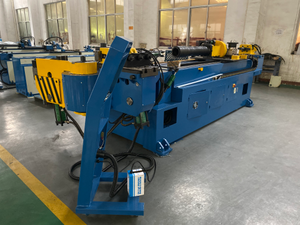
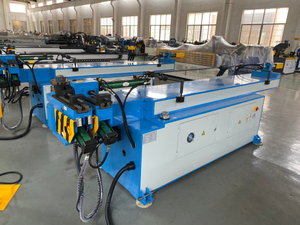
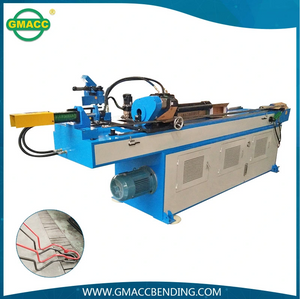
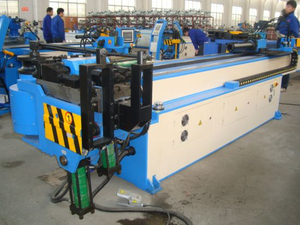
Hydraulic pipe benders use hydraulic pressure to bend pipes, providing the power needed for larger and heavier pipes. These machines are ideal for heavy-duty applications where larger pipe diameters and thicker walls are required. Hydraulic systems offer consistent results and reduce operator fatigue by requiring less manual effort. These machines are often used in construction, plumbing, and industrial applications where large volumes of pipe bending are necessary.
Numerical Control (NC) pipe benders offer a semi-automated approach to pipe bending. They allow operators to input specific bend angles and pipe lengths, making them suitable for workshops that need consistent bends but do not require the full automation provided by CNC machines. NC benders strike a balance between cost and efficiency, making them a good choice for medium-sized operations. They are ideal for straightforward bending tasks but may not handle complex shapes or high-volume production as effectively as CNC machines.
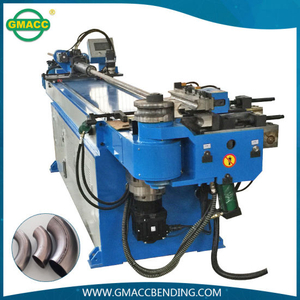
Computer Numerical Control (CNC) pipe benders are fully automated and capable of performing complex bends with high precision. CNC machines are ideal for industries that require intricate and precise bends in high volumes, such as aerospace, automotive, and furniture manufacturing. The automation offered by CNC machines ensures consistent results and minimizes human error. These machines can handle multiple bending angles and even produce 3D bends in a single setup, making them suitable for more advanced bending tasks.

CNC automation enhances the efficiency of pipe bending operations by reducing the amount of manual labor required. With automated control, CNC machines can handle more complex bends, providing greater precision and faster production times. Automation also allows for improved consistency in the final product, reducing human error and ensuring high-quality results every time. Industries that frequently deal with complex geometries and high production volumes benefit significantly from CNC automation, as it streamlines the bending process and improves overall efficiency.
Manual pipe bending machines, while less expensive, require more operator involvement and are limited in terms of bending complexity. CNC and NC machines, on the other hand, provide varying levels of automation that can reduce operator input and increase the overall efficiency of your workshop. When choosing between automated and manual machines, consider the production volume and complexity of your bending needs. If your workshop requires frequent and complex bends, an automated machine would likely be more beneficial. For smaller-scale operations or simpler tasks, manual machines can still be a cost-effective option.
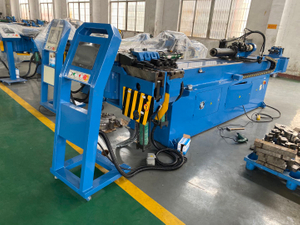
The control system of a pipe bend machine plays a significant role in ease of use and overall operational efficiency. Modern machines feature user-friendly interfaces such as touch screens and programmable controllers that simplify setup and operation. These systems often allow operators to input specific bending parameters and store programs for future use, improving repeatability and reducing setup times. When selecting a machine, consider the complexity of the control system and ensure that it aligns with the skill level of your operators.
In addition to the control system, other user-friendly features such as ergonomic designs and safety mechanisms can enhance the overall usability of the machine. Machines with intuitive controls, easy-to-read displays, and safety features like emergency stop buttons make operation safer and more efficient. If your workshop has less experienced operators, prioritizing machines with clear instructions and easy-to-navigate interfaces can reduce the learning curve and improve productivity.
Control System Type | Features | Ideal For |
Touch Screen | Easy to use, programmable | Large-scale production and easy adjustments |
Manual Knobs | Simple, direct control | Small workshops and manual operations |
CNC Controls | Fully automated, precision bending | High-precision and complex operations |
One of the key features that contribute to the versatility of a pipe bending machine is the ability to customize tooling options such as dies and mandrels. The flexibility to swap out dies and mandrels allows your machine to handle various pipe sizes and bending radii. This feature is especially useful if your workshop deals with different types of projects or materials. Having interchangeable tooling helps you adapt to changing production needs while maintaining precision and quality.
Quick change tooling systems enable faster setup times and improve the overall efficiency of your operations. These systems allow operators to quickly switch between different tooling configurations, making it easier to handle a variety of bending tasks without significant downtime. If your workshop needs to process multiple pipe sizes or types, investing in a machine with quick-change tooling capabilities can reduce the time spent on setup and increase your production capacity.
Tooling Type | Features | Ideal For |
Mandrels | Prevents pipe collapse during bending | Tight radius bends and small pipes |
Quick-Change Dies | Reduces setup time, easy interchange | High-productivity environments with varied jobs |
Rotary Draw Bender | Provides wrinkle-free bends in tight radii | High-quality bends, especially for steel pipes |
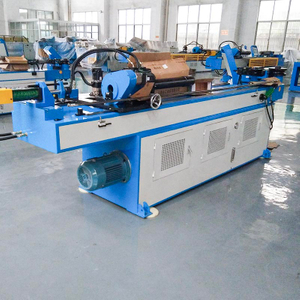
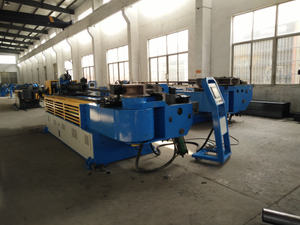
The size of the pipe bend machine is an important factor to consider, as it needs to fit comfortably within your workshop while also providing enough bending capacity. Smaller machines are ideal for workshops with limited space or for businesses that handle smaller pipes. However, larger machines are necessary for heavy-duty applications and when working with larger pipes. It’s essential to measure your available space and compare it with the machine’s dimensions to ensure that the machine fits without overcrowding your workspace.
Heavy-duty pipe bending machines often require reinforced floors or dedicated space due to their size and weight. When planning the installation, make sure that your workshop can accommodate the machine’s floor space requirements. You should also consider the need for proper ventilation, electrical connections, and room for operator movement during the bending process. Ensuring that the machine has adequate space will help maintain safety and improve overall workflow.
The price of a pipe bend machine can vary widely depending on its capabilities, size, and features. Entry-level models are more affordable and may be suitable for small workshops or simple bending tasks. Mid-range machines, such as NC pipe benders, offer a balance between cost and performance, while high-end machines like CNC models provide advanced automation and precision but come with a higher price tag. It’s important to evaluate your workshop’s needs and budget before making a decision.
While the initial cost of a pipe bend machine is an important consideration, it’s also essential to evaluate the long-term value and return on investment (ROI). More expensive machines, such as CNC benders, can provide long-term benefits by improving productivity, reducing material waste, and minimizing labor costs. Although the upfront cost may be higher, these machines often offer a better ROI over time due to their efficiency and precision. Consider both the initial cost and the potential savings in operational costs when making your decision.
Price Range | Machine Type | Features |
Entry-Level | NC Pipe Bender | Semi-automatic, ideal for smaller operations |
Mid-Range | Hydraulic Pipe Bender | Manual control with automation options for medium tasks |
High-End | CNC Pipe Bender | Fully automated, high precision, complex bends |
Reliable after-sales support and warranty services are essential when purchasing a pipe bend machine. A good manufacturer should provide technical support, spare parts availability, and timely service in case of breakdowns. Some machines come with comprehensive warranties that cover parts and labor, providing peace of mind and protecting your investment. It’s important to check the warranty terms and customer support services before making a purchase to ensure that you’ll receive the necessary assistance if issues arise.
Regular maintenance is key to ensuring that your pipe bend machine performs at its best over time. Maintenance tasks may include cleaning, lubricating, and inspecting components such as hydraulic systems, dies, and mandrels. Following the manufacturer’s maintenance guidelines can help extend the life of your machine and prevent costly repairs. Additionally, periodic calibration ensures that the machine continues to produce precise and accurate bends, which is crucial for maintaining quality in your production.
Choosing the right pipe bend machine is crucial for your workshop’s productivity and efficiency. Consider factors like material compatibility, bending capacity, and automation features when selecting your machine. Investing in a high-quality machine with the right features will boost efficiency and reduce costs. For businesses seeking reliable pipe bending solutions, Zhangjiagang King Macc Machinery Manufacturing Co.,ltd. offers machines that cater to diverse workshop needs, providing durability and precision.
A: Consider material compatibility, bending capacity, automation features, and available space. These factors help determine the right pipe bend machine for your workshop’s needs.
A: Bending capacity defines the maximum pipe diameter, wall thickness, and bending angles a machine can handle. Matching these specifications to your projects ensures optimal performance.
A: CNC automation enhances precision, reduces operator involvement, and improves repeatability, making it ideal for high-volume and complex bending tasks.
A: Consider the machine’s size and weight relative to your available space. Plan for installation requirements, especially for heavy-duty models.
A: Regular maintenance includes cleaning parts, checking hydraulic fluid, and inspecting dies. Periodic calibration ensures consistent performance.