

Views: 0 Author: Site Editor Publish Time: 2026-06-08 Origin: Site


You want to make a custom exhaust that looks cool on your car project. Choosing the right pipe bender is important if you want your exhaust to look neat and work well. The right machine lets you do car fabrication jobs easily and with confidence.
Pick authorized dealers for good products and help. They give warranties and teach you how to use the tools. This helps you do well.
Look at online stores for many pipe benders. You can find new and used ones. Compare prices and read reviews before you buy.
Think about who will use the bender. Professionals need machines that are more advanced. Hobbyists may want simple models.
Make sure your budget fits your needs. Manual benders are cheaper for sometimes use. Hydraulic and CNC benders are faster for many projects.
Always check if the tool works with your material. Pick the right dies for your job. The right tools make smooth bends and good exhaust systems.
Getting the right place to buy a pipe bender makes your project easier. You have a few choices, and each one has good points. Let’s see how you can get a professional machine for your shop.
These dealers know a lot about their machines. They can help you pick the best model for your work. If you buy from an authorized dealer, you get a real warranty and good help after you buy. If you need training or help with setup, these dealers can find experts for you.
Tip: Ask your dealer if they offer training and support. Good service after you buy can help you save time and money.
Specialty suppliers focus on tools for car work. They know what you need for custom exhaust jobs. You can find machines for your project, even if you work at a shop or at home. Here are some good things about them:
Muffler and repair shops use ram compression benders for quick jobs and low costs. These machines are good for normal repairs.
Home shop builders use non-mandrel bending on the M6xx for single jobs. It saves money and does not need expensive mandrels.
Professional fabricators use the M6xx mandrel for the same results every time. Bronze mandrels help keep the pipe round when bending.
Specialty suppliers often give advice and support. They can help you pick dies and accessories for your machine.
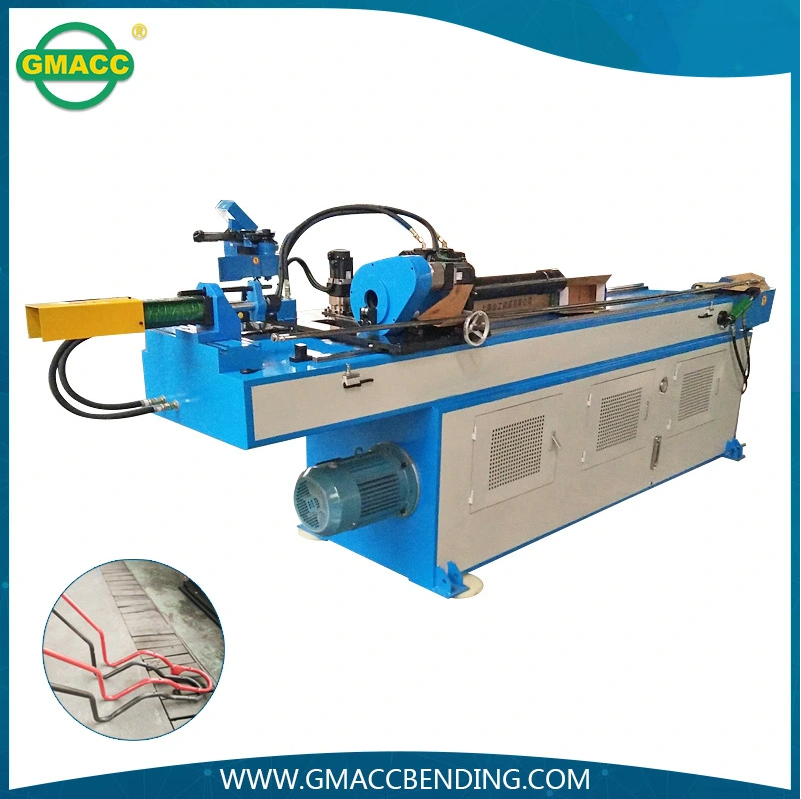
You can buy a pipe bender right from the company that makes it. Brands like GMACC Machinery sell straight to you and give support. When you buy from them, you get the newest models and help from trained workers. Manufacturers can help with setup, training, and fixing problems. This is a good choice if you want a special setup or need more features.
Note: Companies like GMACC Machinery use new technology and sell machines with CNC features. You can get a machine that fits what you need.
Here are some problems you might have when buying a professional machine:
Challenge | Description |
|---|---|
High upfront cost | Professional machines cost more than simple tools. |
Steeper learning curve | You may need time to learn new features. |
Maintenance demands | Machines need care, like checking hydraulic parts. |
Not cost-effective for one-offs | These machines are best for many jobs, not just one. |
You should also be careful about bad tooling. Bad dies can make the pipe wrinkle or flatten. Picking the right die for wall thickness, center line radius, and material is important for good bends.
No matter where you buy, look for support and training after you buy. These services help you use your machine well and keep your shop working.
You need to think about who will use the pipe bender. Are you a professional working in an automotive shop, or do you build exhaust systems as a hobby? Your answer changes what kind of machine you should buy.
If you work in a busy automotive shop, you want a machine that gives you perfect bends every time. You need speed, safety, and the ability to handle many types of metal. Hobbyists often use manual or simple hydraulic benders. These work for small projects, but you might see kinks or flat spots in your bends. Professionals use advanced machines with CNC controls. These machines make every bend look the same and keep your exhaust pipes round and smooth.
Here’s a quick look at the main differences:
Feature | DIY Bender (Manual/Hydraulic Press) | Professional Bender (Hines Bending Systems) |
|---|---|---|
Bend Quality | Sometimes you get kinks or flat spots. | Bends stay smooth and round every time. |
Repeatability | Hard to make the same bend twice. | Easy to repeat bends with CNC controls. |
Safety | You need to be careful. | Machines have safety features built in. |
Speed | Bending takes more time and effort. | Fast and efficient for big jobs. |
Material Cap. | Works best with small, thin pipes. | Handles many sizes and thick pipes. |
If you want to do custom automotive exhaust fabrication for customers, a professional bender will save you time and give you better results.
You can pick from three main types of benders: manual, hydraulic, and CNC. Each one fits different needs in automotive work.
Manual benders use your strength. They cost less and work for simple bends. You might use these for small exhaust jobs or when you only need a few bends.
Hydraulic benders use fluid power. You get more force and can bend thicker pipes. These are common in small automotive shops. They help you make more precise bends without as much effort.
CNC benders use computers to control every move. You just enter the numbers, and the machine does the rest. These benders are fast and repeatable. They work best for big shops or anyone who needs to make the same bend over and over. CNC machines also help you avoid mistakes and waste less material.
Tip: If you want to grow your automotive fabrication business, CNC benders can help you take on more jobs and keep your quality high.
You should match your budget to your needs. Manual benders cost the least, but they take more time and skill. Hydraulic benders cost more, but they help you work faster and with thicker pipes. CNC benders cost the most, but they give you the best results for custom exhaust fabrication.
Think about what you want to do. If you only build one exhaust a year, a manual bender might be enough. If you work on many automotive projects, a hydraulic or CNC bender will save you time and money in the long run.
Here’s a quick checklist to help you decide:
How many exhaust systems do you build each month?
What types of metal do you use most?
Do you need to make the same bend many times?
How much space do you have in your shop?
What is your budget for new tools?
You can always start with a simple bender and upgrade as your automotive fabrication needs grow. The right machine helps you make clean, strong bends and keeps your customers happy.
You want your automotive exhaust to last and perform well. The material you choose matters a lot. Most custom exhaust systems use 304 stainless steel, mild steel, or sometimes titanium. Each material bends differently. Thin-wall stainless steel needs mandrel bending to keep its shape and flow. Mild steel bends easier if the wall is thick enough. Titanium is tricky and needs careful mandrel bending, especially for thin walls. If you use the wrong method, you might crush or kink the pipe. Professional exhaust pipe benders help you avoid these problems and keep your bends smooth.
Tip: Always match your pipe bender to the material. This keeps your automotive exhaust tubing strong and helps your fabrication go smoothly.
Automotive exhaust comes in many sizes. You see pipes from 1.25" up to 3.0" outside diameter. Wall thickness can range from .035" to .188". Picking the right bender means checking if it can handle your tube size and wall thickness. If you use Schedule 5, Schedule 10, or Schedule 40 tubing, you need a machine that fits those specs.
Tube Size (OD) | Wall Thickness (inches) |
|---|---|
1.25" | .035" |
1.75" | .065" |
2.0" | .083" |
2.25" | .120" |
2.5" | .120" |
3.0" | .188" |
If your bender can't handle the right size, you risk bad bends or damage. Always check the specs before you start your automotive fabrication project.
Mandrel bending is a game-changer for automotive exhaust. It keeps the pipe round and smooth, even when you bend tight radii or thin-walled tubes. You get better flow and less restriction. Non-mandrel bending costs less and works for bigger bends, but you might see wrinkles or collapsed pipes.
Here’s a quick look at the pros and cons:
Bending Method | Advantages | Disadvantages |
|---|---|---|
Mandrel Bending | Smooth bends, keeps flow, ideal for thin walls | Higher cost, slower speed |
Non-Mandrel Bending | Lower cost, faster, good for big bends | Risk of wrinkles, not good for tight bends |
Mandrel bending helps you make custom exhaust systems that look great and perform even better. If you want top quality in your automotive work, this method is worth it.
Choosing the right die size is important. You want your bends to match your exhaust pipes. Most shops use tubes between 1.5 and 3 inches wide. These sizes are common in custom exhaust jobs.
Here’s a table that shows which die fits which pipe:
Tube Diameter (inches) | Typical Use in Automotive |
|---|---|
1.5 | Compact cars, small engines |
2.0 | Standard cars, mild upgrades |
2.5 | Performance cars, turbo setups |
3.0 | High-power builds, racing |
Check the wall thickness before you pick a die. Thick walls need strong dies. Thin-wall tubes need dies that help keep them round.
Mandrel bending makes exhaust pipes bend better. You get smooth, round bends every time. The mandrel die goes inside the tube as you bend it. This stops the tube from wrinkling or collapsing.
Here’s why mandrel bending is good for your project:
Mandrel dies keep the inside of the pipe the same size. This helps exhaust gases move easily.
You don’t get kinks or crushed spots. That means the exhaust flows better, especially in turbo cars.
Mandrel bending keeps the exhaust moving fast and lowers pressure. Your engine works better and gets more power.
The mandrel helps the pipe stay round and full-sized. You get bends that look nice and work well.
If you want your exhaust to work its best, use mandrel bending with the right die. You get good results and happy customers.
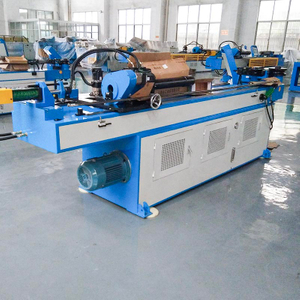
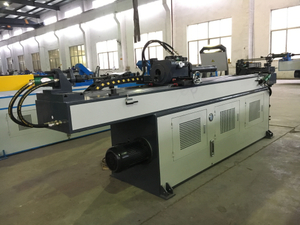
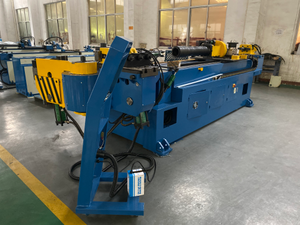
If you want a great machine for car work, look at the CNC Pipe Bending Machine from GMACC Machinery. This machine uses new technology to make sure your bends are always right. You can use it with many tube sizes and different materials. This makes it good for custom exhaust jobs. The machine can bend pipes with single or double layers while cold. You can choose from models like Muffler CNC, Large Diameter CNC, 4-inch CNC, Wheelbarrow, and Electric CNC pipe benders. These choices help you do hard jobs in cars, electric power, and furniture.
Here’s what makes this machine special:
Feature | Description |
|---|---|
Advanced CNC technology | Makes sure bends are always the same |
Handles different tube sizes | Works with many sizes and materials |
Automation options | Good for making lots of parts fast |
Mandrel bending support | Keeps pipes round and smooth for better exhaust flow |
Safety features | Helps keep you safe while working |
You get a touch screen that is easy to use and quick to set up. This machine lets you make good exhaust parts with less work.
You have other choices if you want to look around. Here are some well-known exhaust pipe benders from other brands:
Model | Capacity (OD) | Bend Angle | Additional Features |
|---|---|---|---|
Pro-Tools 105 | 2" | 180° | Manual operation, degree dial not included |
Pro-Tools 105HD | 2.5" | 180° | Air/hydraulic pump, stand included |
Mittler Bros. 2500 | 2" | 180° | Quick-change dies, manual or hydraulic |
Huth HB-10 | 3" | 120° | Mandrel bending, digital controls |
Hines 200CNC | 3" | 180° | CNC controls, high repeatability |
These models are good for custom exhaust and car tube bending. You can pick manual, hydraulic, or CNC machines for your shop.
When you pick a pipe bender for car work, you want a brand you can trust. Good brands give you strong machines, helpful support, and training. They help you get the most from your money. Here are some things to think about:
Criteria | Description |
|---|---|
Type of Bender | Pick the right kind for your job |
Application | Think about how often and what you will bend |
Capacity | Make sure it fits your tube size and wall thickness |
Bend Radius | Check if it can do the bends you need |
Material Compatibility | Make sure it works with your materials, like steel or aluminum |
Machine Condition | Look for safety, accuracy, and good bend quality |
Tip: Always ask about support and training after you buy. Good help lets you learn fast and keeps your machine working well. This is important for busy car shops and anyone who does a lot of fabrication.
You can trust brands like GMACC Machinery, Mittler Bros., Huth, Pro-Tools, and Hines. These brands have been around a long time and make machines that last.
You want to pick the right pipe bender for your car projects. Before you buy, ask yourself some questions. These will help you avoid mistakes and get a good deal.
What things are most important for your custom exhaust? Think about the pipe size, how much you need to bend it, and what material you will use.
How do jetting and back pressure change your exhaust design? These can make your engine work better or worse.
Does your engine size mean you need a bigger pipe? Large engines need bigger pipes so air can flow well.
How many times will you use the machine? If you only need nice bends for one car, a simple machine may be enough.
Tip: Write your answers down. This checklist helps you look at machines and see what works for your shop.
You want your pipe bender to last and work well. Good warranty and support are very important. Here’s what you should look for:
Help after you buy from the seller or maker
Training so you know how to use the machine
Fast technical support if you have problems
Replacement parts when something breaks
Warranty for the main parts
Most warranties last one to three years. Check which parts are covered and if they fix it at your shop. Some companies let you buy a longer warranty. This can help you feel safe.
Support Feature | Why It Matters |
|---|---|
Training | Helps you use the machine safely |
Technical Support | Solves problems quickly |
Replacement Parts | Keeps your machine running |
Warranty Coverage | Protects your investment |
Note: Good support keeps your shop working and helps you not lose time.
You want your custom exhaust project to turn out great. Always buy your pipe bender from a trusted source. You get solid training, quick technical help, and easy access to parts. A good warranty shows the company stands behind their machine. Prices can range from entry-level to advanced, so pick what fits your needs. Use the checklist to gather specs and features. This helps you make smart choices. Ready to start? Reach out to suppliers or do more research before you buy.
You should check your pipe size, material, and how many bends you need. Ask the seller for advice. Look at machine specs and see if they match your job.
Yes, you can bend stainless steel. Make sure your machine supports the material. Mandrel bending works best for thin-wall stainless pipes.
You need the right die for each tube size. Using the wrong die can cause bad bends. Ask your supplier for help picking dies.
Most brands give you training, technical help, and replacement parts. You can call or email them if you have problems. Good support keeps your machine running.