
Views: 0 Author: Site Editor Publish Time: 2026-07-03 Origin: Site


What is most important when you buy a pipe bending machine? Think about needing every bend to be very exact for your project. You need to pick a pipe bender that fits the size and type of your pipes. The right pipe bender helps you make every bend exact and keeps your team safe. If you want to know the price of a pipe bending machine, you should also think about saving money over time and how important accuracy is. As a professional, you should pick a tube bender that gives you accuracy, helps with future jobs, and makes sure every bend is right.
Know what pipe materials and sizes you have before you buy a machine. This helps you pick a bender that works for your needs and stops expensive errors.
Focus on getting good accuracy and bend quality. CNC machines give the best precision. This is very important for safety and how well your projects turn out.
Think about how much you will use the machine. If you use it a lot, get a CNC bender. If you only use it sometimes, a manual or semi-automatic machine might be enough.
Look for important safety features like emergency stops and shields. These features keep you and your team safe when using the machine.
Think about the total cost, like maintenance and energy use. A strong machine saves money over time and helps you work better.
Start by knowing what pipes you will bend. The pipe’s material and size are very important. Pipes can be made from steel, copper, or aluminum. Each one is strong and bends in its own way. You need a pipe bending machine that matches your pipe’s size and material. If your machine is too small for the pipe, it can break the pipe or the machine. If your machine is too big for the pipe, you waste money and space.
Here is a table that shows some pipe sizes and how they are used:
Pipe Size Category | Diameter Range | Common Applications |
|---|---|---|
Small | Less than 6 inches | Automotive, construction, food processing |
Medium | 6 to 24 inches | Power generation, chemical processing, general manufacturing |
Large | Exceeding 24 inches | Oil and gas, shipbuilding, water supply infrastructure |
You also need to think about how thick the pipe is. Thicker pipes need stronger tube benders. Craig Van Sant and Daniel Burns say pipe size and material help you pick the right pipe bender. Misgana Mulat says the material grade changes how easy it is to bend, how much it springs back, the surface finish, and how fast tools wear out. If you want to know the price of a pipe bending machine, you must first know what pipes you will use. Picking the right machine helps you avoid mistakes and saves money.
You need to make sure your bends are good and accurate. If you want to bend pipes the right way, you need a tube bender that gives the same results every time. CNC bending is the best for accuracy. It can bend pipes with very small errors, like 0.005-inch to 0.010-inch. Weld seams should be in the middle of the bend to keep the tube round. CNC tube benders can make hard bends and work fast.
There are rules for bend quality. ISO 9001:2015 is for quality management. ISO 3834 is for welding quality. ASTM and ASME set rules for materials and how close sizes must be. AS9100 is for aerospace and needs careful checks.
CNC bending gives you the best control.
Weld seams must be in the right place for good bends.
ISO, ASTM, and ASME rules help you meet industry needs.
Good bends are important for safety and how things work. In aerospace and automotive, even small mistakes can cause big problems. Accurate tube bending keeps things safe and working well.
Note: Always check if your tube bender meets industry rules. This step keeps your projects safe and protects your name.
You need to know how often you will use your pipe bender. How much you use it helps you pick the right one. For small jobs, manual or NC machines are fine. For big jobs, CNC machines are better. CNC pipe bending machines make the same bends every time, waste less, and are easier to use.
If you only do test runs or repairs, manual or semi-automatic machines are enough. For work that never stops, you need a machine that can run a lot. How often you use the machine changes how you care for it. Machines used all day need oil every 8 hours. Machines used less need oil every week or after 8 hours of use.
Usage Type | Lubrication Frequency |
|---|---|
Continuous Operation | Every 8 hours of operation |
Intermittent Operation | Weekly or after every 8 cumulative hours of usage |
Using the machine more means more care.
Taking care of the machine makes it last longer.
Oiling the machine often helps it work better and break less.
You should not make these mistakes when picking a pipe bending machine:
Not learning about the different machine types.
Picking just by price, not by what you need.
Using the machine at its limit all the time.
Choosing manual machines for big jobs.
Not thinking about safety and risks.
Checking your needs helps you avoid mistakes. Machines that work with your other tools make your job easier. Machines that can grow with your needs are better. Digital twin features let you test things without stopping work.
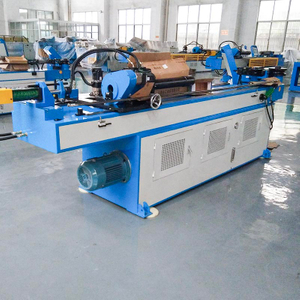
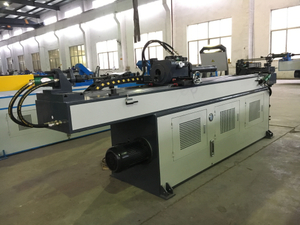
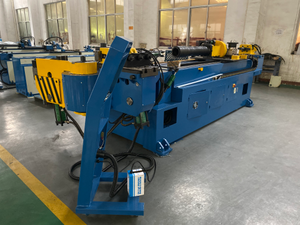
You can look at new tube bender features, like VDU touch screens, CNC control, spring-back fixes, and automatic oiling. GMACC has many pipe bending machines and tube benders that are accurate and work well for many jobs. These machines help you make good bends and follow industry rules.

You need to know about pipe bending machines before you pick one. Each machine works best for certain jobs and pipe sizes. Here are the main types:
Manual pipe benders are good for small jobs. You use your own strength to bend pipes. These machines cost less and handle small pipes.
Hydraulic pipe benders use fluid power to bend pipes. They work on bigger pipes and make hard bends easier. These machines cost more but save time and effort.
Electric pipe benders use motors to bend pipes fast. They are very accurate. Factories use these machines for quick and exact bends.
Pneumatic pipe benders use air pressure. They cost less than hydraulic machines. They do not bend thick pipes well.
Computer-controlled pipe benders, like CNC tube benders, are the most accurate. You can program them for many bends and shapes. These machines cost the most and give the best results.
You should look at key features when you pick a pipe bender:
Precision control helps you meet strict rules for aerospace and medical jobs.
Quick-change tooling lets you switch jobs fast and saves time.
Material flexibility means you can bend stainless steel, titanium, or other metals.
Specialized bending solutions, like induction bending and mandrel benders, help with thick pipes or delicate tubes.
If you want to bend pipes accurately, you need a tube bender with advanced controls. For example, a CNC pipe bending machine with a VDU touch screen lets you set bend angles and check results right away. Some machines use Italian engineering to improve precision and reliability. These features help you make every bend exact and reduce mistakes.
Tip: Always check if your pipe bender fits the pipe materials and diameters you use most. This step helps you avoid buying the wrong machine.
Safety is important when you use a pipe bending machine. You must look for models with strong safety features. International standards require these features to protect you and your team:
Emergency stop systems let you shut down the machine fast.
Thermal protection stops the machine if it gets too hot.
Shielding and enclosures keep you safe from moving parts and heat.
Here is a table that shows how advanced safety controls help prevent accidents:
Safety Feature | Description |
|---|---|
Emergency Stops | Instantly halts operations in emergencies to prevent serious accidents. |
Protective Barriers and Shields | Isolate the operator from the bending process, reducing injury risk from moving parts. |
Automated System Shutoffs | Automatically stops the machine upon detecting malfunctions or irregularities to prevent injuries. |
Safety Interlocks and Sensors | Monitor operator's position and trigger automatic stops if too close to moving parts. |
Compliance with Industry Standards | Ensures adherence to safety regulations, minimizing risks associated with machinery use. |
You should check if your tube bender has these controls. Machines with sensors and interlocks keep you safe. Automated shutoffs stop the machine if something is wrong. Protective shields block moving parts. Emergency stops let you react quickly. These features help you work safely and avoid injuries.
You need a pipe bending machine that can grow with your business. If you plan to take on new jobs or bend different pipes, you must choose a model that adapts to future needs. Here are features that help your machine stay useful:
Inline measurement systems check pipe size during the bend.
Collision detection algorithms stop the machine if tools might hit each other.
Adaptive control changes settings based on real-time feedback.
AI integration predicts when the machine needs maintenance.
Machine learning improves bend settings for better results.
Advanced sensors give you detailed data for tighter control.
IoT integration lets you monitor production and plan jobs in real time.
Modular tooling systems let you switch between pipe sizes fast.
Recipe management stores programs for many jobs.
Modular control systems accept software updates for new features.
Mechanical platforms allow for tooling upgrades and automation.
Industry trends show that buying a pipe bending machine with higher capacity pays off. You avoid downtime and repair costs. You stay ready for bigger jobs and new projects. Upgrading to a more versatile tube bender helps your business grow. For example, a CNC tube bender with a VDU touch screen and advanced software lets you handle complex bends and store many programs. Partnerships with Italian engineering bring new technology and improve reliability.
Note: Always think about future projects when you choose a pipe bender. This step helps you stay competitive and ready for new opportunities.
You must compare precision, speed, reliability, cost efficiency, and material compatibility when you look at different models. Capacity, control level, production profile, and support matter too. If you pick the right pipe bending machine, you make every bend accurate, keep your team safe, and get ready for future growth.
When you choose a pipe bender, you need to check the frame and components. Strong machines last longer and work better. You want a tube bender made from high-quality materials. These materials help the machine resist wear and tear. They also handle the stress of each bend, so you get reliable results every time.
High-quality materials increase durability.
Robust frames and components resist damage.
Good construction supports long-term use.
Durability affects your costs. A strong pipe bender will need fewer repairs and less maintenance. You save money over time because the machine keeps working well. You also avoid downtime, which helps you finish each application on schedule.
You must think about how much it costs to keep your tube bender running. Most pipe benders need $1,000 to $3,000 per year for maintenance. The cost depends on how much you use the machine and how old it is. Regular care, like oiling and cleaning, keeps your machine in top shape. If you use a modern pipe bender with automatic lubrication, you can reduce maintenance time and improve precision.
Energy use also matters. Machines with advanced controls and efficient motors use less power. This saves you money and helps the environment. When you learn how to bend the pipe accurately, you waste less material and energy.
A good warranty protects your investment. Leading manufacturers offer a 12-month warranty. This shows they believe in their product and want you to feel safe with your purchase. The warranty should cover most parts and repairs without too many rules.
You also need strong technical support. New pipe benders come with guaranteed parts and easy access to help. If you buy a used machine, you may not get this support. Lack of support can lead to wasted time, more mistakes, and higher costs. Always check if the tube bender company offers training, spare parts, and help when you need it.
When you look at total cost, think about the price, tooling, energy, and resale value. A good tube bender balances these factors and gives you the best return. You want a machine that fits your needs, lasts a long time, and keeps your bends precise.
When picking a pipe bender, make sure it fits your project. Check if it has good safety features. Look for bend quality that meets your needs. Do not just look at the price. Think about all costs before you buy. Use a checklist to compare different machines:
Key Factor | Why It Matters |
|---|---|
Bend Quality | Makes bends smooth and accurate |
Safety Features | Keeps you and your team safe |
Long-Term Support | Helps your pipe bender last longer |
Total Cost | Lets you plan for future spending |
Talk to suppliers before buying. A reliable pipe bender works better and saves money in the long run.
Manual machines need you to push or pull. CNC machines use computers to bend pipes. CNC machines work faster and make more exact bends.
Look at your pipe’s material, size, and how thick it is. Make sure the machine matches these things.
Pipe Material | Recommended Machine Type |
|---|---|
Steel | CNC or Hydraulic |
Aluminum | Manual or Electric |
Safety features keep you and your team safe. Emergency stops, shields, and sensors help stop accidents.
Many new machines, like GMACC’s CNC models, let you change tools for different pipe sizes. You can save bend programs to switch jobs fast.
Modular tooling
Recipe management
Most top brands give you a warranty, training, and help. GMACC gives support, spare parts, and help for setup and use.