



Views: 0 Author: Site Editor Publish Time: 2026-01-19 Origin: Site


Mastering pipe bending with a hydraulic pipe bend machine is crucial for achieving precise and efficient results. Hydraulic pipe bending machines are essential tools in industries such as construction, automotive, and plumbing. These machines help shape pipes into required angles and curves with minimal distortion. In this tutorial, we will walk you through the step-by-step process of bending pipes using a hydraulic pipe bend machine, ensuring accuracy and safety throughout.
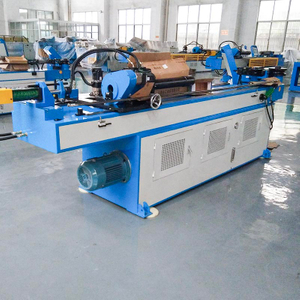
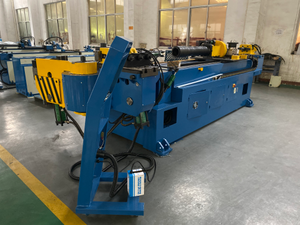
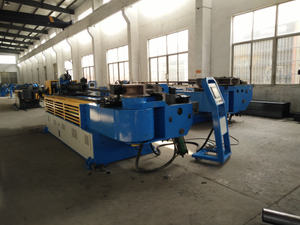
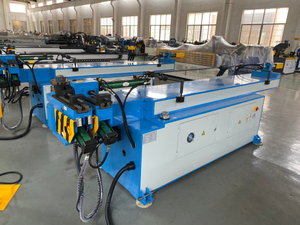
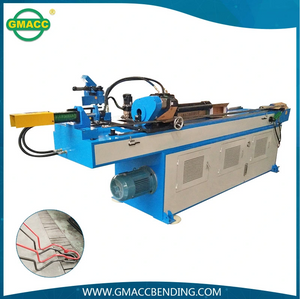
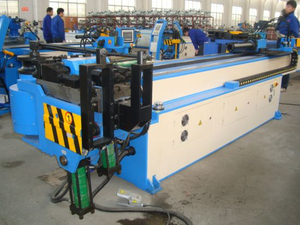
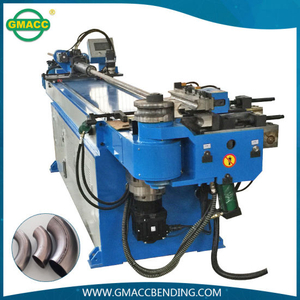
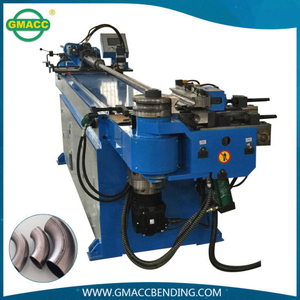
A hydraulic pipe bend machine is a powerful tool that uses hydraulic force to bend pipes to specific angles without damaging their structure. The hydraulic system uses pressurized fluid to create the necessary force for bending, ensuring smooth and accurate bends. These machines are commonly used for bending metal pipes, tubes, and other materials in industrial settings.
In industrial applications, hydraulic pipe bend machines are indispensable for creating custom pipe shapes in sectors such as construction, plumbing, automotive manufacturing, and HVAC systems. Their ability to handle large pipes and achieve precise bends makes them ideal for high-demand, high-precision projects.
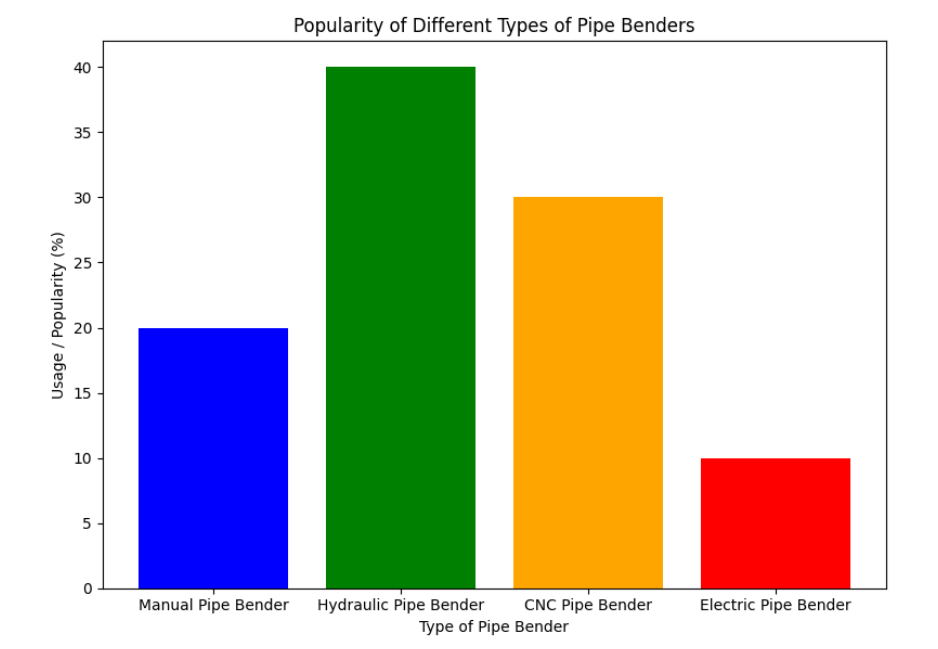
There are different types of hydraulic pipe benders designed to suit various needs:
● Manual Hydraulic Benders: Operated by hand, they require physical effort to apply pressure but are ideal for small-scale tasks.
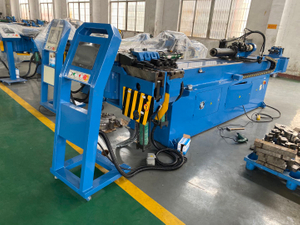
● CNC Hydraulic Benders: These benders are automated, providing superior precision and repeatability, often used in high-precision manufacturing environments.
● Electric-assisted Hydraulic Benders: A hybrid of hydraulic power and electric assist, these are ideal for reducing manual effort while maintaining precision.
Each type has its advantages and specific use cases, from small DIY projects to large-scale industrial applications.
Safety is paramount when using a hydraulic pipe bend machine. To prevent accidents and ensure smooth operation, follow these best practices:
Personal Protective Equipment (PPE): Always wear safety glasses, gloves, and steel-toed boots to protect yourself from potential hazards.
Proper Setup: Ensure the machine is securely anchored, and the pipe is aligned correctly to avoid slippage during the bending process.
Emergency Stops: Familiarize yourself with the emergency stop mechanism to quickly stop the machine in case of malfunction.
By following safety protocols, you reduce the risk of accidents and ensure a smooth, productive bending process.
Before beginning any bending process, it’s essential to select the right pipe material. Common materials include:
● Steel: Strong and durable, suitable for heavy-duty applications.
● Copper: Flexible and easy to bend, often used for plumbing systems.
● Aluminum: Lightweight and resistant to corrosion, ideal for automotive and aerospace projects.
The type of material affects the bending process, as each has different properties. For example, thicker metals like steel require more pressure than lighter materials like aluminum. Choosing the right pipe size is equally important to ensure precision and prevent damaging the material during bending.
Material | Ideal Pipe Bend Machine | Key Considerations | Bending Angle Range |
Steel | Hydraulic, Electric | Requires high pressure, sturdy machine | 90° - 180° |
Copper | Hydraulic | Softer material, more prone to kinks | 90° - 180° |
Aluminum | Hydraulic, Manual | Light material, easy to bend | 90° - 120° |
PVC | Manual | Use with caution to avoid collapse | 45° - 90° |
The bending die is an essential component of the hydraulic pipe bender. It shapes the pipe as it is bent and comes in various sizes to accommodate different pipe diameters. To achieve accurate bends, it's crucial to select the right die that matches the pipe's dimensions.
Selecting the correct die ensures smooth bending without causing deformation. Additionally, using a die that matches the pipe’s material helps in achieving the desired bend angle with minimal effort.
Proper setup is crucial for achieving accurate results. Here’s how to prepare your hydraulic pipe bender:
Check Hydraulic Fluid Levels: Ensure the hydraulic fluid is at the correct level for smooth operation.
Align the Pipe Properly: Place the pipe securely in the machine and align it with the bending die.
Calibrate the Machine: Adjust the machine settings, such as pressure and bend angle, to match the specifications of your project.
Proper setup prevents errors and ensures that the machine operates at its best efficiency.
The first step in bending a pipe with a hydraulic pipe bend machine is to securely load the pipe into the bender. Start by:
1. Placing the Pipe in the Die: Ensure that the pipe is centered and aligned with the die to prevent slippage during bending.
2. Securing the Pipe: Use brackets or clamps to hold the pipe firmly in place, ensuring stability during the bending process.
Alignment is critical to ensure that the bend is smooth and consistent throughout the pipe.
Next, adjust the machine to achieve the correct bend angle. You can set the angle manually or input the required angle if using a CNC machine. Follow these steps:
1. Set the Angle: Depending on your project, adjust the bending die to the desired angle, typically 90°, 180°, or custom angles.
2. Apply Pressure Gradually: Start applying hydraulic pressure slowly, ensuring that the pipe begins to bend without applying excessive force.
Monitoring the process ensures that you don't exceed the bending limit of the material.
Once the pipe is positioned and the machine is set, begin the bending process:
1. Activate the Hydraulic System: Engage the hydraulic system to start applying pressure to the pipe.
2. Monitor the Bend: Watch the pipe closely as it bends, adjusting pressure if needed to avoid over-bending or deformation.
It's essential to apply the correct amount of pressure to prevent kinks or collapses in the pipe.
After completing the bend, check the pipe for accuracy:
1. Measure the Bend Angle: Use a protractor or digital angle finder to ensure the angle is correct.
2. Adjust if Necessary: If the bend is slightly off, make minor adjustments by applying more pressure or slightly retracting the pipe.
Consistency is key when bending multiple pipes, so be sure to measure and adjust each bend.
Step | Action | Notes |
Step 1: Loading the Pipe | Position pipe securely in the bender | Align the pipe with the bending die |
Step 2: Adjusting for Bend | Set desired bend angle on the machine | Use correct pressure for material type |
Step 3: Executing the Bend | Apply hydraulic pressure slowly | Monitor for any irregularities or slippage |
Step 4: Checking Accuracy | Measure the bend angle after bending | Adjust the machine for corrections if needed |
Pipe kinking and wrinkling are common issues during the bending process. To prevent this:
1. Use a Mandrel: A mandrel inserted into the pipe provides internal support, reducing the risk of kinking.
2. Gradually Apply Pressure: Avoid applying too much force too quickly, as this can lead to deformation.
Using proper technique and support tools helps to prevent these issues.
If the bends are inconsistent, consider the following:
1. Check the Alignment: Misalignment can cause uneven bends. Ensure that the pipe is correctly positioned in the machine.
2. Adjust the Machine Settings: If the bend is consistently off, recalibrate the machine and check for any mechanical issues.
Regular machine maintenance ensures consistent performance.
Pipe slippage can cause inaccurate bends. To prevent slippage:
1. Secure the Pipe Properly: Use clamps or brackets to ensure the pipe doesn’t move during the bending process.
2. Check the Die: Ensure that the bending die is the right size and properly positioned to prevent the pipe from shifting.
Proper setup and securing of the pipe will prevent misalignment and ensure accuracy.
To keep your hydraulic pipe bend machine in optimal condition, perform regular maintenance:
Clean the Machine: Regularly clean the hydraulic components and pipe surfaces to prevent dirt and debris from interfering with the bending process.
Lubricate Moving Parts: Ensure that all moving parts are well-lubricated to reduce friction and wear.
Inspect for Wear and Tear: Regularly inspect the machine for signs of damage or wear, especially the hydraulic system.
Maintaining your machine helps prolong its lifespan and ensures reliable performance.
Common hydraulic system issues include:
Low Hydraulic Fluid: Ensure that the fluid is at the proper level for optimal performance.
Hydraulic Leaks: Regularly check for leaks in the hydraulic system and fix them immediately to avoid performance issues.
By keeping the hydraulic system in good condition, you can avoid costly repairs and downtime.
Task | Frequency | Notes |
Check hydraulic fluid levels | Weekly | Ensure levels are within recommended range |
Clean machine components | After each use | Remove dirt, debris, and old fluid |
Lubricate moving parts | Monthly | Prevent wear and ensure smooth operation |
Inspect hydraulic hoses | Quarterly | Check for leaks or signs of wear |
Bending pipes with a hydraulic pipe bend machine requires a clear understanding of the machine’s functions, proper setup, and careful execution. By following this step-by-step guide, you can ensure precision and efficiency in your pipe bending tasks. Regular maintenance and adherence to safety practices will help you achieve the best results and extend the life of your hydraulic pipe bender. Whether you're working on construction, plumbing, or automotive projects, mastering the use of a hydraulic pipe bender is essential for high-quality outcomes. Zhangjiagang King Macc Machinery Manufacturing Co., Ltd. provides high-quality hydraulic pipe benders that ensure precision and efficiency for your projects.
A: A hydraulic pipe bend machine is a tool used to bend pipes with precision, using hydraulic pressure. It is ideal for creating smooth and consistent bends in materials like steel, copper, and aluminum.
A: To set up a pipe bend machine, ensure that the hydraulic fluid levels are correct, check the machine for any loose parts, and properly calibrate it according to the pipe size and material.
A: A hydraulic pipe bend machine can bend a variety of materials, including steel, copper, and aluminum. The material affects the bending process, with each requiring different settings.
A: To prevent pipe kinking, ensure proper alignment in the machine, use the correct bending die, and apply gradual hydraulic pressure to avoid over-bending.
A: Regular maintenance of a pipe bend machine ensures smooth operation, reduces wear and tear, and extends the machine's lifespan. Always clean and lubricate the system to avoid malfunctions.