Views: 0 Author: Site Editor Publish Time: 2026-01-30 Origin: Site


Are you aware that improper pipe cutting can lead to serious accidents? As technology evolves, so do the methods for safe and efficient pipe cutting. In 2026, understanding these advancements is crucial for both safety and productivity.
In this post, we’ll discuss essential tips for cutting pipes safely and efficiently. You’ll learn about the latest tools, techniques, and safety practices that can enhance your pipe cutting experience.
Pipe cutting refers to the process of accurately slicing pipes to specific lengths and shapes. It’s a fundamental task in various industries, including plumbing, construction, and manufacturing. Proper pipe cutting is essential for ensuring that pipes fit together seamlessly, which is crucial for maintaining structural integrity and preventing leaks.
In plumbing, for instance, precise cuts can mean the difference between a reliable water supply and a major leak. In construction, accurate pipe cutting is vital for HVAC systems, where misaligned pipes can lead to inefficiencies. Overall, effective pipe cutting not only saves time but also minimizes waste, making it a key skill in any project.
Understanding the different types of pipes and their applications is crucial for effective pipe cutting. Here’s a quick overview of some common materials:
Pipe Material | Common Uses | Key Characteristics |
PVC | Plumbing, irrigation, drainage | Lightweight, resistant to corrosion, easy to cut |
Copper | Water supply lines, heating systems | Durable, excellent thermal conductivity, recyclable |
Steel | Structural applications, gas lines | Strong, long-lasting, requires specialized cutting |
Ductile Iron | Water and wastewater infrastructure | High strength, good for underground applications |
PVC is widely used in plumbing and irrigation systems due to its lightweight nature and resistance to corrosion. It's easy to cut with standard tools, making it a favorite among DIY enthusiasts and professionals alike. When cutting PVC, a ratchet-style cutter or a miter saw can yield clean edges, essential for proper fittings.
Copper pipes are often used in water supply lines and heating systems. They are known for their durability and excellent thermal conductivity. Cutting copper requires a bit more finesse; using a pipe cutter ensures a clean, burr-free cut, which is important for soldering joints.
Steel pipes are commonly used in construction and gas lines. They offer high strength and longevity but require specialized tools, like angle grinders or pipe saws, for cutting. Proper safety measures are essential when cutting steel due to the potential for sharp edges and sparks.
Ductile iron pipes are primarily used in water and wastewater infrastructure. They are known for their strength and ability to withstand high pressure. Cutting ductile iron typically involves using a K-12 gas saw or specialized cutting equipment, which can handle the material's toughness.
The choice of pipe material significantly impacts the cutting process. Each type has its own characteristics, making it essential to select the right tools and techniques for effective pipe cutting. By understanding these materials and their applications, you can ensure that your pipe cutting tasks are performed safely and efficiently.
Safety should always be a top priority when it comes to pipe cutting. Statistics reveal that improper techniques and lack of safety measures contribute to numerous accidents each year. In fact, according to industry reports, around 30% of workplace injuries in construction are related to cutting tools and equipment. These incidents can lead to serious injuries, resulting in lost time and increased costs.
Being aware of these risks is crucial for anyone involved in pipe cutting. It’s not just about personal safety; it also affects the entire team and project outcomes. By implementing safety measures, we can significantly reduce these risks.
Using the right personal protective equipment (PPE) is vital for ensuring safety during pipe cutting. Here’s a list of essential gear you should never skip:
● Safety Goggles: Protect your eyes from flying debris.
● Cut-Resistant Gloves: Prevent cuts and abrasions while handling sharp materials.
● Hearing Protection: Use earplugs or earmuffs to protect against loud cutting tools.
● Dust Masks: Reduce inhalation of harmful dust and particles.
Wearing this equipment creates a safer working environment and minimizes the risk of injury.
Before you start cutting, a thorough safety checklist can make all the difference. Here are steps to ensure a safe working environment:
1. Clear the Area: Remove any unnecessary tools or materials from the workspace to prevent tripping hazards.
2. Inspect Tools: Check all cutting tools for damage. Ensure they are in good working condition.
3. Secure the Pipe: Make sure the pipe is properly secured in place to avoid movement during cutting.
4. Review Procedures: Familiarize yourself with the cutting procedures and safety protocols specific to the tools you are using.
Having a checklist helps maintain focus and ensures no critical steps are overlooked.
Using high-quality components is essential for safe and efficient pipe cutting. Well-known brands provide reliable electronic parts and hydraulic systems that minimize the risk of malfunctions. When tools fail, it can lead to accidents and costly downtime.
Consider these points when selecting equipment:
● Reputation: Choose brands known for their quality and safety standards.
● Warranty and Support: Opt for products that come with a warranty and reliable customer support.
● User Reviews: Look for feedback from other professionals to gauge performance.
Investing in quality tools not only enhances safety but also improves efficiency in your pipe cutting tasks.
Component | Importance |
Hydraulic Systems | Ensure smooth operation and reduce manual effort. |
Cutting Tools | Provide precision and reliability for accurate cuts. |
Safety Equipment | Protect workers from potential hazards. |
By prioritizing safety and using the right tools, you can create a more efficient and secure environment for pipe cutting.

Before diving into the cutting process, preparation is key. Accurate measuring and marking can save time and materials. A good cut starts with clear, precise markings.
Here are some essential tools for marking:
● Tape Measure: Use a reliable tape measure for accurate lengths.
● Markers: Permanent markers help create visible lines that won’t easily fade.
● Square: A framing square ensures your cuts are straight, especially for larger pipes.
Taking the time to measure correctly helps avoid mistakes that could lead to wasted materials or unsafe cuts.
Each type of pipe requires specific tools for effective cutting. Here’s a breakdown of recommended tools based on material:
● PVC Cutting Tools: Ratchet-style cutters are ideal for clean cuts and easy to use for smaller diameter pipes. Miter saws offer precision and speed for larger projects.
● Copper and Steel Cutting Techniques: Wheel cutters provide clean cuts for copper pipes, while angle grinders are effective for steel. Careful operation is necessary to avoid overheating.
● Cutting Ductile Iron: The K-12 gas saw is designed for tough materials, making it essential for larger jobs.
Making the cutting process user-friendly is crucial, especially for new operators. Here are some tips to reduce fatigue and improve efficiency:
● Ergonomic Tools: Choose tools designed for comfort. Ergonomic handles and lightweight designs help reduce strain during prolonged use.
● Proper Stance: Always maintain a stable stance. Keeping your feet shoulder-width apart provides balance and control.
● Take Breaks: Regular breaks can help prevent fatigue. It’s easy to lose focus when tired, which can lead to mistakes.
By focusing on these efficient techniques, you can ensure that your pipe cutting operations are safe, effective, and productive.
Material | Recommended Tools | Best Practices |
PVC | Ratchet-style cutters, miter saws | Measure twice, cut once. |
Copper | Wheel cutters | Use a steady hand for clean cuts. |
Steel | Angle grinders | Ensure proper safety gear is worn. |
Ductile Iron | K-12 gas saw | Keep blades sharp for efficiency. |
These practices will not only enhance your skills but also contribute to a safer work environment.
Automation is transforming the landscape of pipe cutting, offering significant benefits in terms of efficiency and precision. Automated systems streamline the cutting process, reducing human error and increasing output.
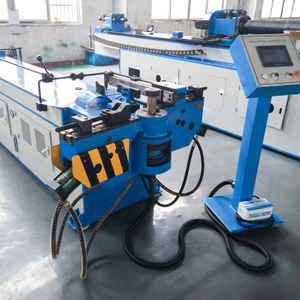
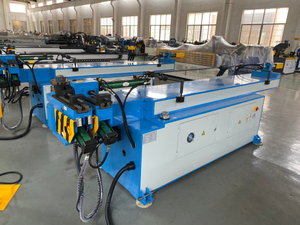
For instance, GMACC's CNC automatic pipe bender and cutting machines are at the forefront of this innovation. These machines not only enhance productivity but also allow for complex cuts with minimal manual intervention. The results speak for themselves:
● Increased Efficiency: Automation can cut production time by up to 50%.
● Enhanced Precision: Automated machines maintain consistent quality, reducing waste.
● Labor Savings: Less manual labor means lower operational costs.
Integrating such technology into your workflow can lead to substantial improvements in both speed and accuracy.
To further boost productivity, optimizing cutting processes is essential. Here are some practical tips to reduce downtime and enhance efficiency:
● Regular Maintenance: Schedule routine maintenance for your pipe cutting machines. This helps prevent unexpected breakdowns that can halt production.
● Training Operators: Ensure that all operators are well-trained in using the equipment. Familiarity with the machines leads to faster, safer operations.
● Efficient Layout: Organize the workspace for easy access to tools and materials. A well-planned layout minimizes unnecessary movements and keeps the workflow smooth.
Maintaining a sufficient stock of mechanical parts is also crucial. Quick replacements can significantly reduce downtime, allowing for continuous operation. Here’s a quick checklist for maintaining your inventory:
Part | Recommended Stock Level |
Blades | 5-10 units |
Cutting Wheels | 3-5 units |
Hydraulic Components | 2-3 units |
Pneumatic Parts | 2-3 units |
Having these parts readily available means you can swiftly address any issues that arise, keeping your cutting operations on track.
By embracing automation and optimizing processes, you can elevate your pipe cutting operations to new heights in 2026. These advancements not only enhance productivity but also ensure a safer and more efficient working environment.
After cutting pipes, ensuring smooth edges is crucial for proper fittings. Deburring and beveling techniques help eliminate sharp edges that can cause injury or lead to leaks in joints.
Here are some effective methods:
● Deburring Tools: Use manual deburring tools or electric deburring machines to remove burrs effectively. These tools ensure a clean edge, making it easier to fit pipes together.
● Beveling: Beveling the edges of pipes can improve the quality of welds and connections. A proper bevel allows for better penetration during welding, ensuring a stronger joint.
Taking these steps not only enhances safety but also contributes to the overall quality of your work.
Maintaining a safe workspace post-cutting is essential. A clean environment reduces the risk of accidents and ensures efficiency in subsequent tasks. Here are some best practices:
● Remove Debris: Clear away any cuttings, shavings, or scraps immediately after cutting. This prevents tripping hazards and keeps the workspace organized.
● Proper Disposal: Ensure that all waste materials are disposed of according to local regulations. This includes metal shavings and plastic remnants.
● Inspect the Area: After cleaning, inspect the workspace for any leftover tools or materials. A thorough check helps maintain safety and readiness for the next operation.
Achieving smooth, burr-free incisions is vital to avoid the need for secondary processing. High-quality cuts can significantly reduce the time spent on finishing work, leading to increased productivity.
Consider these points for ensuring quality cuts:
● Regular Tool Maintenance: Keep your pipe cutting machine in top condition. Dull blades can create rough edges, leading to additional work later.
● Calibration: Regularly calibrate your cutting machine to ensure precision. Accurate settings reduce the chances of errors during cutting.
● Quality Control: Implement a quality control process to check cuts. This can involve measuring the edges and inspecting for any imperfections.
Post-Cutting Practice | Benefits |
Deburring | Ensures smooth edges for better fittings. |
Beveling | Improves weld quality and joint strength. |
Cleaning Up | Reduces hazards and maintains efficiency. |
Quality Control | Minimizes need for rework and enhances output. |
By following these post-cutting best practices, you can ensure safety, efficiency, and high-quality results in your pipe cutting operations.
Safe and efficient pipe cutting is essential in 2026.
Adopting best practices ensures quality and safety in every project.
Stay updated with the latest techniques and tools, especially those from GMACC.
Implementing these strategies can enhance productivity and reduce risks in your operations.
A: The best tools include ratchet-style cutters and miter saws for precision and ease of use.
A: Always wear proper safety gear, maintain a clean workspace, and follow manufacturer guidelines.
A: Check for dull blades, ensure proper calibration, and perform routine maintenance.
A: Yes, regulations vary by industry; consult local guidelines for compliance.
A: Automation enhances efficiency, precision, and reduces labor costs, leading to higher productivity.
A: GMACC's machines offer advanced automation, reliability, and superior cutting quality for various materials.