Views: 0 Author: Site Editor Publish Time: 2026-02-07 Origin: Site


Are you ready to master the art of cutting pipes? Whether you're a DIY enthusiast or a budding professional, understanding pipe cutting machines is crucial. These tools play a vital role in plumbing, construction, and manufacturing.
In this complete guide, we’ll help beginners navigate the world of pipe cutting machines. You’ll learn about different types, key components, and essential tips for choosing the right machine. Get ready to make informed decisions and enhance your skills!
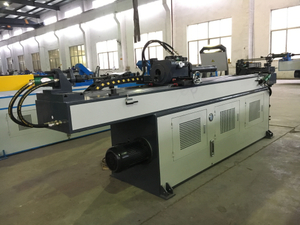
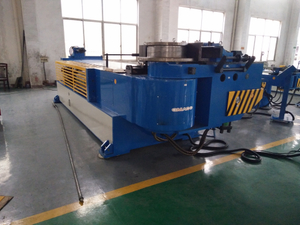
A pipe cutting machine is designed to make precise cuts in various types of pipes, whether they are made of metal, plastic, or other materials. These machines play a crucial role in industries like plumbing, construction, and manufacturing. They help streamline processes, improve accuracy, and save time.
There are several types of pipe cutting machines, each suited for different applications:
● Manual Pipe Cutters: Basic tools that require physical effort to operate. They are great for small jobs and are often more affordable.
● Electric Pipe Cutters: Use electricity to power a rotating blade, providing faster cuts ideal for larger projects.
● CNC Pipe Cutters: Computer Numerical Control (CNC) machines offer high precision and automation, perfect for complex cutting tasks and mass production.
Understanding the components of a pipe cutting machine can help you appreciate its functionality. Here’s a look at the essential parts:
The rotary blade is the heart of any pipe cutting machine. It rotates around the pipe, providing smooth and accurate cuts. The choice of blade material is crucial; high-quality blades can significantly enhance cutting efficiency and lifespan. For example, carbide-tipped blades are common for cutting metal pipes due to their durability.
The power source is vital for the machine's performance. Here are the main types:
● Electric Motors: Provide consistent power and speed, making them suitable for heavy-duty applications.
● Battery-Powered Options: Offer portability, ideal for on-site jobs where electricity may not be available.
The motor's efficiency impacts cutting speed and precision. A powerful motor can handle tougher materials and thicker pipes without straining.
Safety should always be a priority when operating a pipe cutting machine. Here are some common safety mechanisms:
● Blade Guards: Protect users from accidental contact with the rotating blade.
● Emergency Stop Buttons: Allow quick shutdown in case of emergencies.
● Automatic Shut-Off: Many machines have sensors that turn off the power if the machine overheats or malfunctions.
Component | Function | Importance |
Rotary Blade | Cuts through the pipe | Essential for precise cuts |
Power Source | Supplies energy to the machine | Determines cutting efficiency |
Safety Features | Protects users from accidents | Ensures safe operation |
Understanding these components will empower you to choose the right pipe cutting machine for your needs. With the right tools and knowledge, you’ll be well on your way to mastering pipe cutting.
When it comes to choosing a pipe cutting machine, understanding the different types available is essential. Each type serves specific purposes and has unique advantages. Let’s explore the main categories of pipe cutting machines.
Manual pipe cutters are simple tools designed for hands-on operation. They are ideal for smaller projects and are often favored by DIY enthusiasts.
● Description and Use Cases: These cutters typically consist of a sharp blade that rotates around the pipe. They work well for cutting PVC, copper, and thin-walled metal pipes. Manual cutters are often used in plumbing repairs and small construction jobs.
● Advantages:
○ Cost-effective and easy to use.
○ Portable and lightweight, making them ideal for on-site work.
● Disadvantages:
○ Require more physical effort and time compared to powered options.
○ Limited to smaller diameter pipes.
Electric pipe cutters are a step up from manual models, providing power and speed for larger projects.
● Overview of Electric vs. Manual: Unlike manual cutters, electric models use a motor to drive the blade, resulting in faster and more efficient cuts. This makes them suitable for high-volume tasks.
● Benefits for Beginners: Electric pipe cutters are user-friendly, often featuring adjustable settings for different materials and thicknesses. They reduce the physical strain associated with manual cutting.
● Example: GMACC offers a range of electric pipe cutting machines known for their reliability and ease of use. Models like the GM-300 are designed with beginners in mind, featuring safety guards and intuitive controls.
CNC (Computer Numerical Control) pipe cutters represent the pinnacle of precision in pipe cutting technology.
● Explanation of CNC Technology: These machines utilize computer programming to control the cutting process, allowing for intricate designs and exact dimensions. CNC technology ensures consistent results, making it ideal for mass production.
● Benefits for Precision and Efficiency: CNC pipe cutters can handle complex geometries and various materials without compromising accuracy. They significantly reduce waste and improve production speed.
● Highlight GMACC’s CNC Models: GMACC’s CNC models, such as the GM-350CNC and GM-6018C-4, are equipped with advanced features. These machines provide high-speed cutting and can process multiple pipes simultaneously, making them a favorite in industrial settings.
Specialized pipe cutters are tailored for specific materials and applications.
● Overview of Cutters for Specific Materials: Some cutters are designed exclusively for plastics, while others are optimized for metals. This specialization ensures the best performance and longevity of the cutting tool.
● Applications in Different Industries: These cutters find use in various fields, including plumbing, HVAC, and manufacturing. For instance, specialized cutters for plastic pipes are essential in the construction of water supply systems, while metal pipe cutters are crucial in fabrication shops.
Type | Best For | Key Features |
Manual Pipe Cutters | Small jobs, DIY projects | Affordable, portable |
Electric Pipe Cutters | Medium to large projects | Fast, user-friendly |
CNC Pipe Cutters | High precision, mass production | Automated, intricate designs |
Specialized Cutters | Specific materials (plastic, metal) | Tailored for best performance |
Understanding these types of pipe cutting machines helps you make informed choices based on your needs. Each type has its strengths, whether you’re a beginner tackling a home project or a professional requiring precision.

Selecting the right pipe cutting machine can make a significant difference in your projects. With various options available, it’s essential to consider key factors to ensure you choose the best fit for your needs.
One of the most critical aspects is matching the cutter to the material you plan to work with. Different materials require specific types of blades and cutting techniques:
● Metal Pipes: Require robust blades, often made from high-speed steel or carbide-tipped materials.
● Plastic Pipes: Typically need sharper blades designed for clean cuts without deformation.
Using the wrong cutter can lead to poor performance and safety hazards, so be sure to check compatibility before making a purchase.
The diameter and thickness of the pipes you’ll be cutting directly influence your machine selection. Here’s how:
● Larger Diameter Pipes: Often necessitate more powerful machines, such as electric or CNC models, to handle the increased cutting force.
● Thicker Pipes: Require heavy-duty blades and motors to ensure clean cuts without damaging the material.
Understanding these dimensions helps narrow down your options and ensures you invest in a machine capable of handling your projects.
Precision is paramount, especially in applications where accuracy is critical, such as plumbing and HVAC installations. Consider the following:
● CNC Machines: Offer high precision and are ideal for complex shapes and repeated cuts.
● Electric Cutters: Generally provide better accuracy than manual options, making them suitable for most standard tasks.
Investing in a machine that meets your precision requirements can save you time and material costs in the long run.
For beginners, navigating the options can be overwhelming. Here’s a simple checklist to guide your selection process:
● Budget: Determine how much you’re willing to spend. Remember, investing in quality can pay off in durability and performance.
● Type of Work: Think about the projects you’ll undertake. If you plan to work with various materials, a versatile machine may be best.
● User-Friendliness: Look for machines with intuitive controls, especially if you’re new to pipe cutting.
Don’t hesitate to seek advice from professionals or suppliers. GMACC, for example, offers pre-sales support to help you make informed decisions. They can provide insights into:
● The best machines for your specific needs.
● Recommendations based on your experience level.
● Information on warranty and service options.
Factor | Importance | Considerations |
Material Compatibility | Ensures proper cutting performance | Match cutter type to material |
Pipe Diameter | Affects machine power and capability | Choose accordingly |
Cutting Precision | Critical for accuracy in applications | Select CNC for high precision |
By keeping these factors in mind, you can confidently choose the right pipe cutting machine for your projects. This approach not only enhances your efficiency but also ensures safety and quality in your work.
Operating a pipe cutting machine can seem daunting at first, but with the right approach, it becomes a straightforward task. Here’s a step-by-step guide to help you navigate the process safely and effectively.
Before you start cutting, proper preparation is key. Here’s what you need to do:
1. Select the Right Blade: Choose a blade that matches the material and thickness of the pipe. For instance, use a carbide-tipped blade for metal and a sharp, fine-toothed blade for plastic.
2. Secure the Pipe: Ensure the pipe is firmly clamped in place. This prevents movement during cutting, which could lead to inaccuracies or accidents.
Once you're prepared, follow these detailed steps for safe operation:
1. Check the Machine: Ensure all components are in good condition and the machine is set up correctly. Look for any signs of wear on the blade or other parts.
2. Adjust Settings: If using an electric or CNC machine, adjust the speed and depth settings according to the material specifications.
3. Begin Cutting: Start the machine and slowly guide the blade into the pipe. Maintain a steady hand and let the machine do the work. Avoid forcing the cut, as this can damage the blade and affect precision.
4. Monitor the Process: Keep an eye on the cut and listen for any unusual sounds. If something doesn’t seem right, stop the machine immediately.
After cutting, finishing touches are essential:
● Deburring: Use a deburring tool to smooth the edges of the cut. This step is crucial, especially for metal pipes, as sharp edges can cause injuries or complications during installation.
● Cleaning Cuts: Remove any debris or shavings from the pipe and work area. A clean workspace promotes safety and ensures better results in subsequent tasks.
Safety should always be a priority when operating any machinery. Here are some essential tips:
Wearing the right PPE is crucial for safety:
● Safety Glasses: Protect your eyes from flying debris.
● Gloves: Use cut-resistant gloves to protect your hands.
● Ear Protection: If using loud machines, wear earplugs or earmuffs.
Follow these practices to enhance safety:
● Stay Focused: Avoid distractions while operating the machine. It’s easy to lose concentration, which can lead to accidents.
● Keep Hands Clear: Always keep your hands away from the cutting area. Use clamps or push sticks to guide the pipe instead.
● Follow Manufacturer Instructions: Each machine has specific operational guidelines. Familiarize yourself with these to ensure safe usage.
Safety Practice | Description |
Personal Protective Equipment | Wear safety glasses, gloves, and ear protection |
Focus and Concentration | Stay attentive and avoid distractions |
Keep Hands Clear | Use tools to guide the pipe, not your hands |
By following these guidelines, you can operate a pipe cutting machine confidently and safely. Proper preparation, careful operation, and adherence to safety measures will lead to better results and a safer working environment.
Choosing the right pipe cutting machine is crucial for successful projects. It impacts efficiency and safety significantly.
Beginners should explore various options available in the market. Don’t hesitate to seek further information and guidance.
With the right knowledge, you can confidently select a machine that meets your needs. Happy cutting!